An Open Letter to My Mom

I was a teenager in 2014 when my mom was the primary caregiver for my grandmother. Mom struggled emotionally after she moved her into a long-term-care facility, and I didn’t know how to support her. I still sometimes feel guilty about that. I’m writing this letter in 2025 as if I could mail it to my mom and she would receive it back in 2014. It’s a way for me to process the guilt, and I hope it provides some comfort to my mom when she reads it (in the present)—and to any caregivers who read it and see themselves reflected in her story.

Dear Mom,

As I write to you in 2025, I’m working as a clinical geropsychologist in dementia care. I imagine you in 2014, probably sitting in Grandma’s nursing home bedroom, feeding her a mango smoothie you just picked up from Burger King. You recently made the incredibly painful decision to move Grandma out of our home, where you were caring for her so lovingly, for so long, through her Alzheimer’s disease. 

I am writing to you now because I want to tell you what my teenage self couldn’t. At this point, I have supported dozens of dementia caregivers who have made the same decision you have. That has given me some perspective that I wish I had been able to share in real time back in 2014.

There are many books, articles and blogs now about the challenges of caring for a loved one with dementia. What I see less of is acknowledgment of what happens for caregivers after that nursing-home move. 

You told me that the time Grandma was living in the nursing home was the hardest part of caregiving for you. Back in 2014, after witnessing the stress that caring for Grandma and Grandpa at home put you under, I thought—mistakenly—that this transition would help. 

You once told me about your drives to and from the nursing home, so I know that in the quiet of today’s drive, your mind raced, thinking about how Grandma was doing and about separating from her. When you were a caregiver at home, there was no separation. 

It is OK that you are emotional. There is grief in acknowledging that Grandma needs a higher level of care. The nursing home is a symbol for her decline that is tangible and cannot be ignored. 

Grief may have been there all along, but you were in survival mode. As you describe it, you were “go go go” while Grandma was living at home. No time or space to feel. Now, you have that time and space. Grief is a natural response to loss. Even when the person is still alive, loss exists, grief exists. You need to let it out and find the people, places or things that will bring you comfort. 

There is so much that is no longer in your control. When Grandma was at home, you were the one who was organizing, shaping and carrying out her care plan. Now, a whole team of professionals is doing this for you. Let’s acknowledge the fact that you were one person, doing the job several professionals now do, and they have years of education and certifications in medical fields. They also do this in shifts, so they can leave to recharge their batteries. You were on shift 24/7. 

Please try to release the guilt that you could no longer keep Grandma at home. Dementia caregiving often becomes impossible at some point for the caregiver to do alone. It requires more support, and our medical system often fails to offer adequate support at home.  

You gave Grandma the privilege of living in our home for so many years. She got to sit at the dining room table with me as I curled my hair for prom. She got to sneak the dog treats under the dinner table. She got to sun herself outside in your beautiful garden. Just because this part of our lives has come to an end does not mean you have failed in any way. 

Now that there are so many professionals helping with Grandma’s care, it might be hard to watch things done in ways that you would do differently. Imagine this on a spectrum: on one end, there are things you can lean into accepting. On the other end, you may want to advocate for changes. When each new situation arises, evaluate for yourself where it falls on the spectrum. 

The team of professionals caring for Grandma should have her best interests in mind. If you don’t believe they do, there are steps we can take to move her to a different nursing home or report signs of abuse or neglect to the appropriate authorities. This is in our control.

Many caregivers I work with are ashamed of the relief they feel when a nursing home takes over. That shame may be one of many emotions you’re feeling. You love Grandma. You are not feeling relief because she is gone, but because you’re free of the dementia-related tasks, decisions and responsibilities that have overwhelmed your every day for the past five-plus years.

I know that, over time, you have found deep meaning in caring for your mother. It may feel like you have lost a part of yourself and a part of your identity now that she lives in a nursing home. But you are still a caregiver: you facilitate her doctor’s appointments, bring her meals and snacks she enjoys and give her emotional support.

I know this time is hard for you, Mom. I hope some of my words bring you comfort and help you to feel less alone. You have taught me a lot about strength: how vulnerability is strong, how resilience is strong, how caregiving makes you strong. I see your struggle and I see your new strength. 

Caregiving does not end when nursing home care begins, it changes—and so do you. 

With endless love and appreciation, 

Your daughter, 

Anastasia


Most Nursing Home Residents Aren’t Getting COVID Vaccines 

They’re much more likely to be hospitalized with COVID than older people living in the community 

In the United States, more than a million older adults live in a nursing home. Just 40 percent of them got an updated COVID vaccination between October 2023 and February 2024. Writing for a partnership that includes KFF Health News and NPR, journalist Sarah Boden investigates why so many nursing homes failed to vaccinate their residents. Her story was posted by KFF Health News on December 4, 2024. Funding from the Silver Century Foundation helps KFF Health News develop articles (like this one) on longevity and related health and social issues. 

It seems no one is taking COVID-19 seriously anymore, said Mollee Loveland, a nursing home aide who lives outside Pittsburgh.

Loveland has seen patients and coworkers at the nursing home where she works die from the viral disease.

Now she has a new worry: bringing home the coronavirus and unwittingly infecting her infant daughter, Maya, born in May.

Loveland’s maternity leave ended in late June [2024], when Maya wasn’t yet 2 months old. Infants cannot be vaccinated against COVID until they are 6 months old. Children younger than that suffer highest rates of hospitalization of any age group except people 75 or older.

Between her patients’ complex medical needs and their close proximity to one another, COVID continues to pose a grave threat to Loveland’s nursing home—and to the 15,000 other certified nursing homes in the United States where some 1.2 million people live.

Despite this risk, a CDC report published in April [2024] found that just four in 10 nursing home residents in the United States received an updated COVID vaccine in the winter of 2023-24. The analysis drew on data from Oct. 16, 2023, through Feb. 11, 2024, and was conducted by the Centers for Disease Control and Prevention.

The CDC report also revealed that during January’s COVID peak, the rate of hospitalizations among nursing home residents was more than eight times that of all US adults, age 70 and older.

Billing Complexities and Patient Skepticism

[Winter 2024’s] low vaccination rate was partly driven by the end of the federal government’s paying for administering the shots, said Rajeev Kumar, MD, a Chicago-based geriatrician.

While the vaccines remain free to patients, clinicians must now bill each person’s insurer separately. That makes vaccinating an entire nursing home more logistically complicated, Kumar said.

Kumar is president of the Post-Acute and Long-Term Care Medical Association, which represents clinicians who work in nursing homes and similar settings, such as post-acute care, assisted living and hospice facilities.

“The challenges of navigating through that process and arranging vaccinations, making sure that somebody gets to bill for services and collect money, that’s what has become a little bit more tedious,” he said.

In April [2024], after the study was released, the CDC recommended that adults 65 and older get an additional dose of an updated vaccine if it’s been more than four months since their last dose. That means most nursing home patients who have had only one shot in fall or winter are not considered up to date on the COVID vaccines.

Nationwide, just 32 percent of nursing home residents got their shots, though in some states, nursing homes did much better.

Kumar and his colleagues are encountering more skepticism of the COVID vaccines, compared with their rollout.

“The long-term care population is a microcosm of what’s happening across the country and, unfortunately, COVID vaccine reluctance remains persistent throughout the general public. It’s our most significant challenge,” according to an emailed statement from David Gifford, chief medical officer at AHCA/NCAL, which represents both for-profit and nonprofit nursing homes.

Nursing aide Loveland also has observed doubts and misinformation cropping up among patients at her job: “It’s the Facebook rabbit hole.”

But there are ways to push back against bad information, and states show wide variation in the proportion of nursing home residents who got vaccinated last winter.

For example, in both North and South Dakota, more than 55 percent of residents at nursing homes that reported data [got] an updated COVID vaccine [in the fall of 2024]. Nationally, that share [was] 32 percent.

Building Trust through Relationships

One major medical system operating in the Dakotas, Sanford Health, has managed more than two dozen nursing homes since a 2019 merger with the long term care chain Good Samaritan Society. 

In some of these nursing homes, more than 70 percent of residents were vaccinated [in the fall and winter of 2023-2024]—at one Sanford facility in Canton, South Dakota, the rate exceeded 90 percent.

Sanford achieved this by leveraging the size of the health system to make delivering vaccines more efficient, said Jeremy Cauwels, MD, Sanford’s chief medical officer. He also credited a close working relationship with a South Dakota-based pharmacy chain, Lewis Drug.

But the most crucial factor was that many of Sanford’s nursing home patients are cared for by doctors who are also employed by the health system. At most Sanford’s North and South Dakota nursing homes, these clinicians provide on-site primary care, meaning patients don’t have to leave the facilities to see doctors.

What conversations have occurred before [residents] walked into a nursing home’s doors, between them and their doctors? 

Jodi Eyigor

These employed doctors have been critical in persuading patients to stay up to date on their COVID shots, Cauwels said. For example, a medical director who worked at the Good Samaritan nursing home in Canton was a long-serving physician with close ties to that community.

“An appropriate one-on-one conversation with someone who cares about you and has a history of doing so in the past, for us, has resulted in much better numbers than other places have been able to get to nationally,” said Cauwels, who added that Sanford still needs to work on reaching more patients.

Sanford’s success shows the onus of getting patients vaccinated extends beyond nursing homes, said Jodi Eyigor, director of nursing home quality and public policy for Leading Age, which represents nonprofit nursing homes. She said primary care providers, hospitalists, pharmacists and other health care stakeholders need to step up.

“What conversations have occurred before they walked into a nursing home’s doors, between them and their doctors? Because they’re probably seeing their doctors quite frequently before they come into the nursing home,” said Eyigor, who noted these other clinicians are also regulated by Medicare, the federal health insurance program for adults 65 and older.

Critics: Shot Uptake Linked to Residents’ Dissatisfaction

Nursing homes are required to educate patients—as well as staff—about the importance of the COVID vaccines. Industry critics contend that one-on-one conversations, based on trusted relationships with clinicians, are the least that nursing homes should do.

But many facilities don’t seem to be doing even that, according to Richard Mollot, executive director of the Long Term Care Community Coalition, a watchdog group that monitors nursing homes. A 40 percent recent vaccination rate is inexcusable, he said, given the danger the virus poses to people who live in nursing homes.

study from the Journal of Health Economics estimates that from the start of the pandemic through Aug. 15, 2021, 21 percent of COVID deaths in the United States were among people living in nursing homes.

Mollot said that the alarmingly low COVID vaccination rate is a symptom of larger issues throughout the industry. He hears from patients’ families about poor food quality and a general apathy that some nursing homes have toward residents’ concerns. He also cites high rates of staff turnover and substandard, even dangerous, care.  

These problems intensified in the years since the start of the COVID pandemic, Mollot said, causing extensive stress throughout the industry.

“That has resulted in much lower care, much more disrespectful interactions between residents and staff, and there’s just that lack of trust,” he added.

Loveland, the nursing aide outside Pittsburgh, also thinks the industry has fundamental problems when it comes to daily interactions between workers and residents. She said the managers at her job often ignore patients’ concerns.

“I feel like if the facilities did more with the patients, they would get more respect from the patients,” she said.

That means that when administrators announced it was time for residents to get one of the newest COVID vaccines this year, Loveland said, residents often simply ignored the message, even if it meant putting their own health at risk.

It Was a Hoax

Recently, I was thrilled to get an email from someone I’ve known since college, more than 70 years ago. Though Jenny and I seldom got together—she lived in Toronto, while I’m in New Jersey—we talked on the phone, and every Christmas, we exchanged cards, enclosing long, newsy letters. 

Until that email came, I thought Jenny was dead. When you’re 90 or thereabouts and a distant friend dies, often the only way you find out is when there’s no card at Christmas. For the last two years, I’d had no card from Jenny.  

I had looked online for an obituary, but there wasn’t one. I’d thought about phoning Toronto, but I barely knew her husband. I imagined asking for Jenny when he picked up the phone, and how it would hurt him to have to explain that she was gone. I just couldn’t do it. There was no one else I could ask—I’d lost touch with all our mutual friends. 

Finally, I accepted the fact that Jenny had died. I missed her. When we got together, in person or by phone, we always took up just where we’d left off. She was warm, smart, funny, passionate about all kinds of things and always ready to laugh at herself. 

So when the email came, I was overjoyed: Jenny was alive! The message was quite short: 

Please write me and let me know how you are. I am chugging along and will write a message once I hear from you.

I almost fired off a long response, but it didn’t sound like Jenny. She wrote the way she talked, fast and funny. When I read her Christmas letters, I could hear her voice, and this wasn’t it. So I sent a tentative reply: 

Jenny, is that really you? I’ve sent my usual Xmas letters and got no response. I assumed the worst! How are YOU? 

The answer came a few hours later:

Yes! It’s really me! I know! It is terrible how we are losing our closest friends one by one. I can’t tell you how glad I am to receive this message from you! I will write you a message with some detail about me, but I would LOVE to hear about you!!! 

Thank God, you’re still here! Lately, I have been trying to reconnect with friends. I also am looking up people who were important in my life. I just finished reading an obit on Mike Graham. I shed a few tears when I think of what a tragedy it was that he died so young! Terrible. 

That sounded even less like Jenny. If she was too busy to send a long email, she’d have explained why in her usual, breathless fashion. And Mike was a friend of mine, but I wasn’t aware that she knew him. He died in his 30s. Why would she be reading his obit now? 

I wanted to believe the emails were from Jenny, but I had a strong hunch they came instead from someone who hoped to get details from me that they could use to rob me. These days, an awful lot of scams target older people, on the assumption that some (maybe most) of us are addled enough to believe almost anything. 

I delayed answering. After two days with no further emails from the person who might or might not be Jenny, I reluctantly concluded I really was being scammed. I bit the bullet and called her number in Toronto. If someone had hacked her email account and was using it to try to defraud her friends, her husband would want to know. But there was no answer at their home.

I’d have given almost anything to be wrong, but I was as sure as I could be that I was the intended victim of an online, phishing expedition. I was relieved that I hadn’t been sucked in, but sad all over again that I’d never see—or hear from—Jenny again.

It was a cruel hoax.


Time, Fast and Slow

Aging affects the way we perceive time 

When she graduated in 1996, Amy Forbus’ four years at Hendrix College felt like a miniature lifetime. College had been the biggest undertaking of her life thus far. But when she returned to the same liberal arts school in Arkansas two decades later in a staff role, periods of four years seemed to pass with alarming speed. 

“It felt like you’d blink and the first-year student who worked in our office was about to graduate,” she said. 

Forbus’ experience is a common one. As we age, time seems to move with ever-increasing speed—a phenomenon that is documented but not well understood. Human perception of time is highly subjective and flexible. But, experts say, recognizing how our perceptions change as we age can help us manage time more intentionally and perhaps even “stretch” our experience of how quickly it passes. 

In some cultures, you’re expected to apologize if you’re a minute or two late. In others, an hour or two doesn’t matter.

Most people—surveys say about 90 percent—feel time passes more quickly in later life, according to Steve Taylor, PhD, a senior lecturer in psychology at Leeds Beckett University in the UK and author of Time Expansion Experiences: The Psychology of Time Perception and the Illusion of Linear Time (2024). 

“Time seems to speed up as we get older, and it happens gradually and proportionately,” he said. 

It’s difficult to pin down the causes of this perceived speeding up of time because our time perception is so subjective. Humans’ experience of “felt time” isn’t the same as measurable “clock time,” according to Marc Wittmann, PhD, of the Institute for Frontier Areas of Psychology and Mental Health in Germany. Instead, it’s highly flexible and prone to distortions. 

“Time is inseparably tied to our experience as a whole,” Wittman wrote in his book, Felt Time: The Science of How We Experience Time (2017). Feelings, memories, happiness, language, stress, mental health, self-consciousness and other factors all affect how we experience time.  

Time seems to pass quickly when we’re absorbed in a task and more slowly when we’re bored. Hours spent “doom scrolling” on social media can seem like minutes, because platforms are intentionally designed to mesmerize users with an endless array of entertaining snippets. People who’ve survived traumatic emergencies, such as a car crash, often report experiencing that time moved very slowly during the incident. And people of all ages generally tend to estimate events as being more recent than they are.  

“I’m in England, so if I asked, ‘When did the Queen die?’ most people will say, ‘Oh, it was last year, wasn’t it?’” Taylor said. (Queen Elizabeth died in 2022.) 

Different cultures view time differently too. Author Christine Hohlbaum lives in Germany, where arriving a minute or two late for an appointment requires an apology. “But in some cultures, in Africa for example, they might say, ‘We’ll meet when the cows finish grazing,’” she said. “A couple of hours earlier or later doesn’t matter.” 

The perceived speeding up of time as we age seems to transcend cultures. One study compared surveys of people in Iraq and in the UK about how they experienced the passing of time between annual holidays. About three-quarters of respondents in the UK said Christmas seemed to come faster every year; in Iraq, a similar number said the same thing about Ramadan. 

What the Science Says

So why does time seem to move more quickly for most people as they get older? 

One popular theory about why time seems to move faster is “proportional time,” the fact that each passing year represents a smaller and smaller portion of one’s life to date. 

“As we age, time does fly, metaphorically,” said author Mary Westheimer, 70. “When you are four years old, a year is one-fourth of your life. When you are 40 years old, it’s just one-fortieth of your life.” 

Another explanation: as we get older, we no longer experience life with “young” eyes. Psychologist William James (1842-1910) first proposed this. As children, he wrote, “We have an absolutely new experience, subjective or objective, every hour of the day.” 

As we age, James observed, time seems to speed up because “each passing year converts some of this experience into an automatic routine, which we hardly note at all.”

It’s akin to the experience of a daily commute—so familiar that the driver can navigate on “autopilot,” and arrive at the destination with no memory of the drive or sense of the passage of time. As we age, we grow progressively desensitized to our surroundings and absorb gradually less information. 

However, the subjectivity of time is not unique to older adults. A teenager experiences time as passing faster than a child; a retired older adult feels like the years fly by even faster than in midlife. Experiments have demonstrated how time perception changes with age, even in controlled situations

For example, research subjects were asked to listen to music or watch a film, then to estimate how much time had passed. Younger people tended to estimate that more time had passed than older people.  

Days can seem long for older people who are bored or lonely, though they feel that years are speeding by.

Many people remember how slowly time seemed to pass in childhood, whether it was waiting for Christmas morning or the first day of summer. Author David Hamilton recalled family trips to the seaside when he was child, which seemed to take many hours. Recently, he was shocked to discover that the drive took only about 45 minutes.  

While there does seem to be a biological component of time perception, humans are not equipped with precise internal clocks in the same way computers are, Taylor said. Without timepieces or external cues, such as sunrise and sunset, our perception of time can be surprisingly unreliable. 

In one famous 1962 experiment, geologist Michel Siffre spent 63 days inside a cave to see how his sense of time was affected without the normal day-night flow of life. Siffre reported that his felt time had “telescoped.” His daily cycle of wakefulness and sleep stretched from 24 to about 25 hours. And he was shocked by how quickly the research time went by for him at the end of the 63 days. What had felt like one month while in the cave was in fact two on the surface.

Sometimes the perception of the speed or slowness of time is paradoxical. Older people who are retired, bored or lonely may experience the days as long, even as the years seem to fly by. That’s because people experience time differently retrospectively (looking back in time) versus prospectively (while going through it). In one 2019 study, many participants (75 and older) reported that time had slowed down, especially among those who were unhappy. 

“The best predictors of this slowing down of time were the negative affects, namely sadness, which were particularly high among the participants living in a retirement home,” researchers noted. 

Conversely, there’s the “vacation paradox,” in which time seems to fly on a holiday, because it’s so enjoyable, but in retrospect, the experience feels longer than it was because of the abundance of memories.

Age-related cognitive decline also can impair older adults’ ability to perceive time. Older people, for example, may find it more difficult to recall how long ago something went into the oven. 

More seriously, there’s dementia-related dyschronometria, the inability to accurately estimate the amount of time that has passed. People with dementia may confuse minutes with hours or misjudge the difference between days, or even seasons. Similarly, those with Alzheimer’s may exhibit time-shifting—lapsing into the illusion of being in another time and place. They may dress inappropriately for the weather, thinking it’s a different season, or become distressed because a loved one hasn’t “visited in years,” even though the person visited the day before. 

Stretching Time

Psychiatrist Carole Lieberman, MD, says older patients bring up concerns that time is passing too quickly, which heightens their awareness of mortality. 

“As we age, we are more aware of how little there is left,” she said. “We start taking this into consideration when choosing what we do. For example, we ask ourselves if there’s enough time left to start a project that takes a long time, such as a home remodel or studying for another career.”

There are ways to “stretch” our experience of time, Taylor said. Mindfulness practices like meditation boost conscious awareness and help “de-automatize” perceptions of daily life. 

Simply resisting the tendency to fall into routines can also stretch time.

“Humans are very routine oriented, because our routines allow us to reduce uncertainty,” said Beth Ribarsky, PhD, professor of interpersonal communications and media at the University of Illinois, Springfield. “We like knowing what to expect. But we can increase novelty in our lives with something as simple as taking a different route to work or going out to a different restaurant or trying new activities.”   

Embracing the limits of one’s time can also motivate and inspire older adults, Lieberman added. 

 “We can either try to do more in a day, get on with things we always hoped to accomplish, or we can let ourselves be depressed and figure, ‘What’s the use?’” she said. “This awareness can make later years better or worse.” 

Lifestyle Changes 

Of course, time is perceived in more ways than just speed or slowness. As people age, schedules and lifestyles change. That, in turn, changes the way their time is allocated and how the passage of time is perceived. Daily chores that were once dispatched quickly—meal preparation, grocery shopping, a daily shower—may take longer. Older adults, even healthy ones, have more doctors’ appointments, which take up a more significant portion of time. Days filled with travel or multiple activities can feel exhausting and may require a day or two of rest to recover. 

Kevin Hall, 68, noticed how his relationship with time changed when he retired six years ago. 

“After 40 years in corporate America, time flies by much faster now than it did while I was working,” he said. “I’m doing more fun things and just forget to even think about time.” 

Meetings, deadlines and kids’ activities dictated his schedule during his work years. Now, Hall spends his time writing books and enjoying the outdoors. Like many older adults, he eats dinner a bit earlier and goes to bed a bit earlier, partly because he has the freedom to do so, and partly because that seems to better suit his body clock.

“Now I am the boss of my time,” he said. “I decide when to eat, go to bed or go to certain activities, or not.” 

Hohlbaum adds that her life was ruled by “clock combat” back in 2009 when she wrote her book, The Power of Slow: 101 Ways to Save Time in Our 24/7 World. Between caring for young children and meeting constant deadlines and appointments, she was always in a hurry. Now, at age 56, Hohlbaum is less driven by the clock. 

“When I look back at the person who wrote this book, God bless her, she was trying to manage everything,” she said. “Now I just want to enjoy my life. There’s nothing to prove. Now time feels more abundant.” 

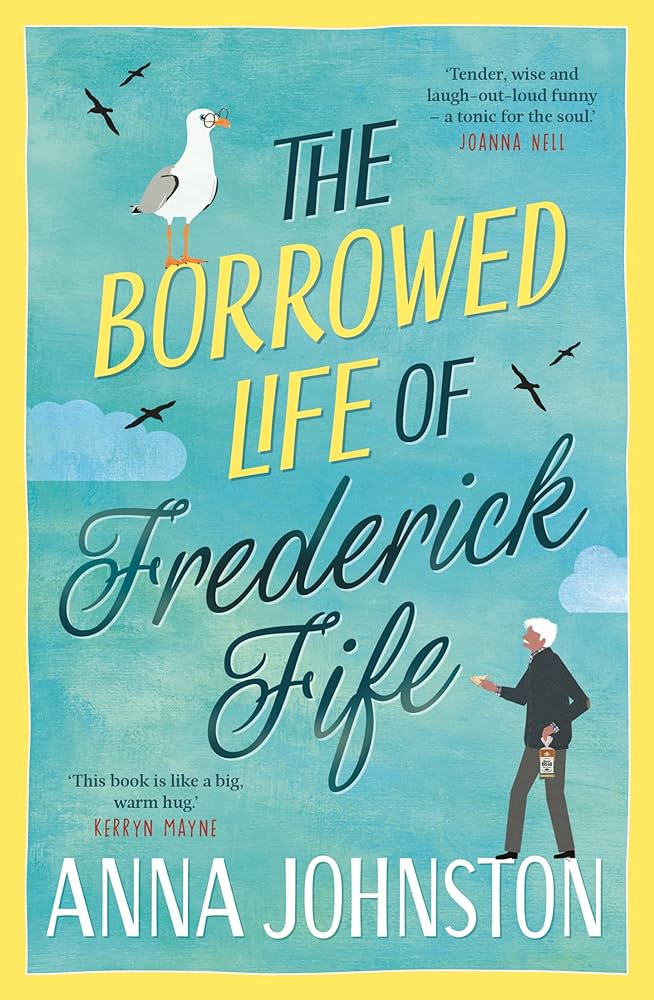
The Borrowed Life of Frederick Fife

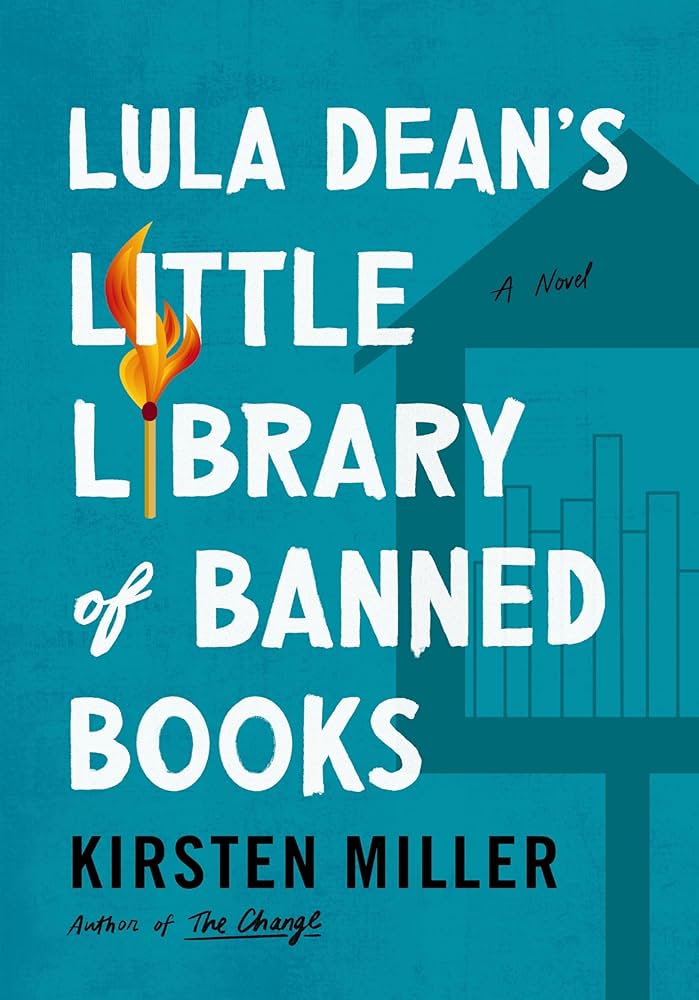
By Anna Johnston – William Morrow, 2024

Lonely 82-year-old Frederick Fife, down on his luck, unexpectedly finds a second chance at family when a zany case of mistaken identity lands him in a nursing home in place of the grumpy, now-deceased Bernard Greer. Suddenly, Fred has a roof over his head, friends, warm meals and hope—contingent upon his charade staying a secret, that is. Denise Simms, a caregiver at Bernard’s facility, feels suffocated by her crumbling marriage and her daughter’s health concerns. After being hurt by her husband, she becomes wary of deceit and grows suspicious of the kindness Fred leaves in his wake, so unlike the man he’s pretending to be.

Anna Johnston’s writing seamlessly blends humor with poignant observations on aging and the need for connection, making this a charming and emotionally relatable read that offers an uplifting escape when you’re feeling down.

Cameras Are Popping Up in Long Term Care Facilities

Families install their own to watch over loved ones

Columnist Paula Span explains this growing phenomenon: why and how it’s being done and what the pros and cons are. KFF Health News posted her reporting on April 21, 2025. Her column also ran on the New York Times. Funding from the Silver Century Foundation helps KFF Health News develop articles (like this one) on longevity and related health and social issues. 

The assisted living facility in Edina, MN, where Jean Peters and her siblings moved their mother in 2011, looked lovely. 

“But then you start uncovering things,” Peters said.

Her mother, Jackie Hourigan, widowed and developing memory problems at 82, too often was still in bed when her children came to see her midmorning.

“She wasn’t being toileted, so her pants would be soaked,” said Peters, 69, a retired nurse practitioner in Bloomington, MN. “They didn’t give her water. They didn’t get her up for meals.” Her mother dwindled to 94 pounds.

Most ominously, Peters said, “we noticed bruises on her arm that we couldn’t account for.” Complaints to administrators—in person, by phone and by email—brought “tons of excuses.”

So Peters bought an inexpensive camera at Best Buy. She and her sisters installed it atop the refrigerator in her mother’s apartment, worrying that the facility might evict her if the staff noticed it.

Monitoring from an app on their phones, the family saw Hourigan going hours without being changed. They saw and heard an aide loudly berating her and handling her roughly as she helped her dress.

They watched as another aide awakened her for breakfast and left the room even though Hourigan was unable to open the heavy apartment door and go to the dining room. “It was traumatic to learn that we were right,” Peters said.

After filing a police report and a lawsuit, and after her mother’s 2014 death, Peters in 2016 helped found Elder Voice Advocates, which lobbied for a state law permitting cameras in residents’ rooms in nursing homes and assisted living facilities. Minnesota passed it in 2019.

Though they remain a contentious subject, cameras in care facilities are gaining ground. By 2020, eight states had joined Minnesota in enacting laws allowing them, according to the National Consumer Voice for Quality Long-Term Care: Illinois, Kansas, Louisiana, Missouri, New Mexico, Oklahoma, Texas and Washington.

Laws in some states require facilities to allow cameras, but it’s not clear that facilities take those laws seriously.

The legislative pace has picked up since, with nine more states enacting laws: Connecticut, North Dakota, South Dakota, Nevada, Ohio, Rhode Island, Utah, Virginia and Wyoming. Legislation is pending in several others.

California and Maryland have adopted guidelines, not laws. The state governments in New Jersey and Wisconsin will lend cameras to families concerned about loved ones’ safety.

But bills have also gone down to defeat, most recently in Arizona. For the second year, a camera bill passed the House of Representatives overwhelmingly but, in March, failed to get a floor vote in the state Senate.

“My temperature is a little high right now,” said State Rep. Quang Nguyen, a Republican who is the bill’s primary sponsor and plans to reintroduce it. He blamed opposition from industry groups, which in Arizona included LeadingAge, which represents nonprofit aging services providers, for the bill’s failure to pass.

The American Health Care Association, whose members are mostly for-profit long term care providers, doesn’t take a national position on cameras. But its local affiliate also opposed the bill.

“These people voting no should be called out in public and told, ‘You don’t care about the elderly population,’” Nguyen said.

A few camera laws cover only nursing homes, but the majority include assisted living facilities. Most mandate that the resident (and roommates, if any) provide written consent. Some call for signs alerting staffers and visitors that their interactions may be recorded.

The laws often prohibit tampering with cameras, or retaliating against residents who use them, and include “some talk about who has access to the footage and whether it can be used in litigation,” added Lori Smetanka, JD, executive director of the National Consumer Voice for Quality Long-Term Care.

It’s unclear how seriously facilities take these laws. Several relatives interviewed for this article reported that administrators told them cameras weren’t permitted, then never mentioned the issue again. Cameras placed in the room remained.

Some families use a camera just to stay in touch. 

Why the legislative surge? During the COVID-19 pandemic, families were locked out of facilities for months, Smetanka pointed out. “People want eyes on their loved ones.”

Changes in technology probably also contributed, as Americans became more familiar and comfortable with video chatting and virtual assistants. Cameras have become nearly ubiquitous—in public spaces, in workplaces, in police cars and on officers’ uniforms, in people’s pockets.

Initially, the push for cameras reflected fears about loved ones’ safety. Kari Shaw’s family, for instance, had already been victimized by a trusted home-care nurse who stole her mother’s prescribed pain medications.

So when Shaw, who lives in San Diego, and her sisters moved their mother into assisted living in Maple Grove, MN, they immediately installed a motion-activated camera in her apartment.

Their mother, 91, has severe physical disabilities and uses a wheelchair. “Why wait for something to happen?” Shaw said.

In particular, “people with dementia are at high risk,” added Eilon Caspi, PhD, a gerontologist and researcher of elder mistreatment. “And they may not be capable of reporting incidents or recalling details.”

More recently, however, families are using cameras simply to stay in touch.

Anne Swardson, who lives in Virginia and in France, uses an Echo Show, an Alexa-enabled device by Amazon, for video visits with her mother, 96, in memory care in Fort Collins, CO. “She’s incapable of touching any buttons, but this screen just comes on,” Swardson said.

Art Siegel and his brothers were struggling to talk to their mother, who, at 101, is in assisted living in Florida; her portable phone frequently died because she forgot to charge it. “It was worrying,” said Siegel, who lives in San Francisco and had to call the facility and ask the staff to check on her.

Now, with an old-fashioned phone installed next to her favorite chair and a camera trained on the chair, they know when she’s available to talk.

Both camera opponents and their supporters have expressed concern about residents’ privacy. 

As the debate over cameras continues, a central question remains unanswered: Do they bolster the quality of care? “There’s zero research cited to back up these bills,” said Clara Berridge, PhD, a gerontologist at the University of Washington who studies technology in elder care. “Do cameras actually deter abuse and neglect? Does it cause a facility to change its policies or improve?”

Both camera opponents and supporters cite concerns about residents’ privacy and dignity in a setting where they are being helped to wash, dress and use the bathroom.

“Consider too the importance of ensuring privacy during visits related to spiritual, legal, financial or other personal issues,” Lisa Sanders, a spokesperson for LeadingAge, said in a statement.

Though cameras can be turned off, it’s probably impractical to expect residents or a stretched-thin staff to do so.

Moreover, surveillance can treat those staff members as “suspects who have to be deterred from bad behavior,” Berridge said. She has seen facilities installing cameras in all residents’ rooms: “Everyone is living under surveillance. Is that what we want for our elders and our future selves?”

Ultimately, experts said, even when cameras detect problems, they can’t substitute for improved care that would prevent them—an effort that will require engagement from families, better staffing, training and monitoring by facilities and more active federal and state oversight.

“I think of cameras as a symptom, not a solution,” Berridge said. “It’s a band-aid that can distract from the harder problem of how we provide quality long-term care.”

Reflect, Then Respond 

For simplicity, I’m using male pronouns throughout this blog whenever I refer in general to someone who has dementia. 

Here’s what Julie told one of my caregiver support groups the first time she attended:

“My husband, Alan, and I used to talk about everything. We could finish each other’s sentences. We never argued. But he’s changed so much, I hardly recognize him. Now it seems we do nothing but argue.” 

Relationship problems sometimes accompany early signs of dementia. The easy flow of conversation that has evolved in a longtime partnership begins to hit some snags. 

Your partner doesn’t seem to listen as he used to. You chalk it up to his being tired or working too hard. But it gets worse. You realize it’s more than inattention when he can’t remember his brother’s phone number and later drives a meandering route to get to the drugstore. Within months, he’s diagnosed with Alzheimer’s disease.

Then, with so many factors to consider regarding his safety and independence, it’s easy to overlook the importance of the manner in which you communicate.

Let’s return to Julie’s story. After telling the group that she and Alan do nothing but argue, she went on, “I carefully explain everything to him so he won’t be confused. But when I told him the placemats go on the table before the dishes, he blew up at me. 

“And what’s worse, it also happens out in public! At the supermarket, he puts all kinds of things we don’t need in the cart. I try to reason with him and tell him we already have that at home, but he gets furious and makes a big scene. He’s like a 2-year-old!”

Heads nodded as group members acknowledged they knew just what she was talking about, having lived through it themselves.

Bob offered, “When my wife gets angry for reasons I don’t understand, I try to step back and see what I’m doing wrong. It’s usually when I’ve carelessly criticized her or tried to correct her. She hates to be told she’s wrong. Once, she got so mad, she punched me in the chest. That hasn’t happened again. I’ve come to see that I can’t change her, but I can change what I do.”

At that, Julie spoke up again. “That helps me a lot. Poor Alan, I correct him all day long!” Even her efforts to unconfuse Alan were adding to his stress. 

Things don’t change in one afternoon. It takes many months to put into practice a new way of responding, especially in a relationship of many decades. It’s natural for Julie to expect Alan to act as he always has, and when he doesn’t, to react with critical disbelief. (“Why in the world are you doing that?”) That’s what makes caring for a family member a particular challenge: your expectations are firmly set.

The first thing you need is knowledge. The more you know, the easier it is to accept the fact that things have irrevocably changed. Your loved one is now less able to restrain his impulses or modify his own reactions. The part of his brain that once allowed him to inhibit his less acceptable urges is damaged. He may act on any idea that enters his head. 

In addition, as his world becomes more confusing, he lives with tremendous anxiety and increasingly relies on his caregiver, physically and emotionally. He’s constantly alert for clues from his environment and the people in it regarding his safety and his sense of self-worth. That’s why he reacts so negatively if you criticize him or argue with him. He feels threatened and helpless if you—especially you, his safe harbor—confront him.

His only relief from uneasiness comes when he feels loved, valued and secure. That happens when the people around him give only supportive feedback and don’t argue or find fault with him.

Yes, he gets a free pass on his impulses, while his family members must strictly govern their own. 

That’s a tall order in a situation where the unusual becomes usual, or as one caregiver whose father insisted on wearing his bathrobe to church said, “Who ever knew to expect these things!

When you do lose your temper, and you will—seeing him put the dirty dishes away in the cabinet, for example—you may be horrified at what your anger unleashes. He may disintegrate into pure rage or abject fear. Or he may weep. In any case, his fragility will be laid bare. 

It’s very important to keep in mind that his rage is not a symptom of his dementia. 

It’s a justified reaction to being humiliated. Alan’s anger when Julie disapproved of what he had put in the market basket was righteous indignation.

The real symptoms of dementia in those two cases are:

  • Inability to focus on and fully understand the task at hand (dealing with dirty dishes in one case and choosing only needed food in the other) 
  •  Impulsive behavior based on a narrow concept (dishes go in cabinet, food in cart) of what’s to be done. 

Instead of reacting with anger or criticism, try to step back, as Bob said, and reflect that the outcome of this depends on responding in a way that supports this fragile person you love. At first, you may need to grit your teeth to do it. 

If you respond to his intention in cases like these, you’ll get it right. For example:

  • “You put the dishes away. Thank you.”
  • “You found lots of good things for our dinner. Thank you.”

You can reload the dishwasher later, then start a routine where he rinses the dishes and you put them in the dishwasher.

You can go ahead and buy the extra groceries if they’re things you can use. Or you can say, “I don’t have enough cash to get that today.” 

You’ll want to avoid having it happen again. It might be time to find someone to stay with him—a friend, relative or hired companion—while you do the shopping.

Supporting him means holding your tongue when he does something unexpected; it means helping him save face when he’s made a mistake. 

If you can create an environment in which he feels safe, valued and loved, you’re creating a better world for both of you. 

Facing the Uncertainties of Aging

A journalist considers her future as she prepares to retire

Facing her own retirement, journalist Judith Graham contemplates the uncertainties we all face in later life and draws on what she’s learned in four decades as a journalist and more than the eight years writing the “Navigating Aging” column for KFF Health News, which posted this piece on January 15, 2025. 

It takes a lot of courage to grow old.

I’ve come to appreciate this after conversations with hundreds of older adults over the past eight years for nearly 200 “Navigating Aging” columns.

Time and again, people have described what it’s like to let go of certainties they once lived with and adjust to new circumstances.

These older adults’ lives are filled with change. They don’t know what the future holds except that the end is nearer than it’s ever been.

And yet, they find ways to adapt. To move forward. To find meaning in their lives. And I find myself resolving to follow this path as I ready myself for retirement.

Patricia Estess, 85, of the Brooklyn borough of New York City spoke eloquently about the unpredictability of later life when I reached out to her as I reported a series of columns on older adults who live alone, sometimes known as “solo agers.”

Estess had taken a course on solo aging. “You realize that other people are in the same boat as you are,” she said when I asked what she had learned. “We’re all dealing with uncertainty.”

Many people find that embarking on later life changes their sense of identity. 

Consider the questions that older adults—whether living with others or by themselves—deal with year in and out: Will my bones break? Will my thinking skills and memory endure? Will I be able to make it up the stairs of my home, where I’m trying to age in place?

Will beloved friends and family members remain an ongoing source of support? If not, who will be around to provide help when it’s needed?

Will I have enough money to support a long and healthy life, if that’s in the cards? Will community and government resources be available, if needed?

It takes courage to face these uncertainties and advance into the unknown with a measure of equanimity.

“It’s a question of attitude,” Estess told me. “I have honed an attitude of, ‘I am getting older. Things will happen. I will do what I can to plan in advance. I will be more careful. But I will deal with things as they come up.’”

For many people, becoming old alters their sense of identity. They feel like strangers to themselves. Their bodies and minds aren’t working as they used to. They don’t feel the sense of control they once felt.

That requires a different type of courage—the courage to embrace and accept their older selves.

Writer May Sarton described old age as ‘a foreign country with an unknown language.’

Marna Clarke, a photographer, spent more than a dozen years documenting her changing body and her life with her partner as they grew older. Along the way, she learned to view aging with new eyes.

“Now, I think there’s a beauty that comes out of people when they accept who they are,” she told me in 2022 when she was 82, just before her 93-year-old husband died.

Arthur Kleinman, a Harvard professor who’s now 83, gained a deeper sense of soulfulness after caring for his beloved wife, who had dementia and eventually died, leaving him grief-stricken.

“We endure, we learn how to endure, how to keep going. We’re marked, we’re injured, we’re wounded. We’re changed, in my case for the better,” he told me when I interviewed him in 2019. He was referring to a newfound sense of vulnerability and empathy he gained as a caregiver.

Herbert Brown, 68, who lives in one of Chicago’s poorest neighborhoods, was philosophical when I met him at his apartment building’s annual barbecue in June.

“I was a very wild person in my youth. I’m surprised I’ve lived this long,” he said. “I never planned on being a senior. I thought I’d die before that happened.”

Truthfully, no one is ever prepared to grow old, including me. (I’m turning 70 in February.)

Chalk it up to denial or the limits of imagination. As May Sarton, a writer who thought deeply about aging, put it so well, old age is “a foreign country with an unknown language.” I, along with all my similarly aged friends, are surprised we’ve arrived at this destination.

I’ve come to see that ‘no guarantees’ isn’t a reason to dig in my heels and resist change.

— Judith Graham

For me, 2025 is a turning point. I’m retiring after four decades as a journalist. Most of that time, I’ve written about our nation’s enormously complex health care system. For the past eight years, I’ve focused on the unprecedented growth of the older population—the most significant demographic trend of our time—and its many implications.

In some ways, I’m ready for the challenges that lie ahead. In many ways, I’m not.

The biggest unknown is what will happen to my vision. I have moderate macular degeneration in both eyes. Last year, I lost central vision in my right eye. How long will my left eye pick up the slack? What will happen when that eye deteriorates?

Like many people, I’m hoping scientific advances outpace the progression of my condition. But I’m not counting on it. Realistically, I have to plan for a future in which I might become partially blind.

It’ll take courage to deal with that.

Then, there’s the matter of my four-story Denver house, where I’ve lived for 33 years. Climbing the stairs has helped keep me in shape. But that won’t be possible if my vision becomes worse.

So my husband and I are taking a leap into the unknown. We’re renovating the house, installing an elevator and inviting our son, daughter-in-law and grandson to move in with us. Going intergenerational. Giving up privacy. In exchange, we hope our home will be full of mutual assistance and love.

There are no guarantees this will work. But we’re giving it a shot.

Without all the conversations I’ve had over all these years, I might not have been up for it. But I’ve come to see that “no guarantees” isn’t a reason to dig in my heels and resist change.

Thank you to everyone who has taken time to share your experiences and insights about aging. Thank you for your openness, honesty and courage. These conversations will become even more important in the years ahead, as baby boomers like me make their way through their 70s, 80s and beyond. May the conversations continue.

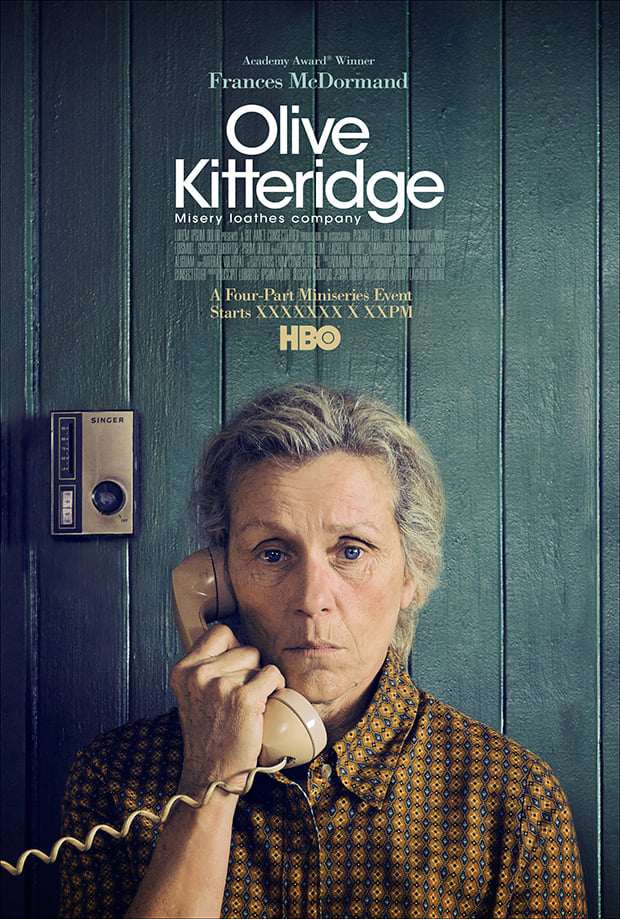
Olive Kitteridge

2014, USA, 240 min. (four hour-long episodes)

Prickly and curt, lifelong Mainer Olive Kitteridge (Frances McDormand) revels in control. She maintains the upper hand in her marriage to kindly Henry (Richard Jenkins), the beloved town pharmacist, and their sensitive son, Christopher (John Gallagher Jr.). Olive exists in a disgruntled, self-satisfied equilibrium, but over 25 years, crises force emotions to surface. Henry’s endless patience and health wobble; Christopher grows up and cannot comprehend his mother’s indifference toward his churning turmoil. The world Olive spent her life cultivating is eroding. Can she regain her footing? Working from Elizabeth Strout’s Pulitzer Prize-winning 2008 novel, director Lisa Cholodenko has crafted a gut-punch to our souls. One woman’s inability to compromise forces everyone in her orbit to recalibrate their lives. Olive Kitteridge feels both grand and intimate, painful and joyous, because we can all relate to what unfolds. 

Later Life

It may be just me, but as I’m out walking today in my retirement community, I see love everywhere I look.

It’s in the old man patiently trailing behind a large dog who stumbles along, probably older (in dog years) than the man on the other end of the leash.

It’s in the goose couple nearby who round up their fluffy goslings and bookend them protectively as the dog passes.

Love is on the dock on our pond, where a gentle aide murmurs in an older woman’s ear as she turns the woman’s wheelchair so she can feel the sun’s warmth on her back.

Below the dock, the enormous, armored backs of several snapping turtles surface, ancient heads tipped up expectantly, waiting to love the turtle food that showers from the dock once a day, provided by my retirement community, where these turtles may be the oldest residents of all.

A great blue heron explodes into the air, swoops across the pond and lands again at the edge of the water. It’s been here for days. I’m sure it loves the pond for its sheltering trees and bounty of darting catfish—promises of safety and a full belly.

I feel a flush of love for the resident who stops to talk with me about the goose family, the heron and the red-winged blackbird we both saw yesterday, hopping along the fence that wraps its split-rail arms around the pond.

In a few minutes, I’ll go home to my small, black cat, who will curl up in my lap and give me even more love. But not before I’m done loving the pond and what it’s like to live in this peaceful place during the last years of my life.

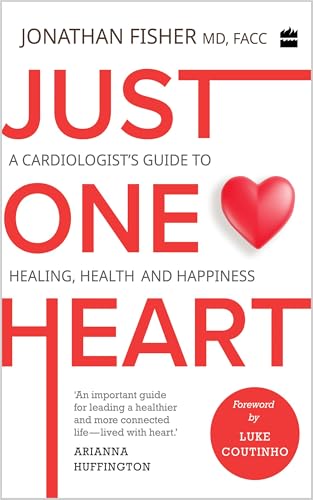
Just One Heart

By Jonathan Fisher–Manuscripts LLC, 2024

Cardiologist and mindfulness teacher Jonathan Fisher bridges Western science and Eastern wisdom in his search for wholehearted living. Drawing on his own life experiences in overcoming debilitating anxiety and burnout, Fisher now believes that our hearts hold the answer to many of life’s challenges, both physical and spiritual. Revealing seven timeless traits of the heart for reaching holistic health and vitality at any age, he discusses the benefits of mindfulness practices, yoga, tai chi, acupuncture and other bodywork modalities. Some takeaways: good sleep practices and a healthy diet, being kinder to yourself and prioritizing human connection are keys to finding the path to wellness. Conversations with thought leaders on mind-body connections, as well as on aging, offer a compassionate and comprehensive guide to heart health.

A Centenarian Thrives, Living Alone in a Big City

She leads an active life, taking advantage of all the city has to offer

Hilda Jaffe is 102. She lives in a Manhattan high rise, and when she goes shopping at a nearby market, she carries her own groceries home. As a volunteer docent, she leads tours of exhibits at New York’s historic library on Fifth Avenue. Journalist Judith Graham interviewed her for KFF Health News for her series on older people who live alone. KFF posted her story on December 10, 2024, and it also ran in the Washington Post. Funding from the Silver Century Foundation helps KFF Health News develop articles (like this one) on longevity and related health and social issues. 

“The future is here,” the email announced. Hilda Jaffe, then 88, was letting her children know she planned to sell the family home in Verona, NJ. She’d decided to begin life anew—on her own—in a one-bedroom apartment in Hell’s Kitchen in Manhattan.

Fourteen years later, Jaffe, now 102, still lives alone—just a few blocks away from the frenetic flashing lights and crowds that course through Times Square.

She’s the rarest of seniors: a centenarian who is sharp as a tack, who carries grocery bags in each hand when she walks back from her local market and who takes city buses to see her physicians or attend a matinee at the Metropolitan Opera.

Jaffe cleans her own house, does her own laundry, manages her own finances and stays in touch with a far-flung network of family and friends via email, WhatsApp and Zoom. Her son, Richard Jaffe, 78, lives in San Jose, CA. Her daughter, Barbara Vendriger, 75, lives in Tel Aviv.

She’s an extraordinary example of an older adult living by herself and thriving.

I’ve spoken with dozens of seniors this past year for a series of columns on older Americans living alone. Many struggle with health issues. Many are isolated and vulnerable. But a noteworthy slice of this growing group of seniors maintain a high degree of well-being.

What might account for this, particularly among people in the farthest reaches of old age?

Sofiya Milman, MD, is director of Human Longevity Studies at the Institute for Aging Research at Albert Einstein College of Medicine. She studies people known as “superagers”—95 and older. “As a group, they have a very positive outlook on life” and are notably resilient, like Jaffe, she told me.

More than 100,000 Americans are centenarians. Fifteen percent of them live alone or live an independent life while sharing a home with someone else.  

Qualities associated with resilience in older adults include optimism and hopefulness, an ability to adapt to changing circumstances, meaningful relationships, community connections and physical activity, according to a growing body of research on this topic.

Jaffe has those qualities in spades, along with a “can-do” attitude.

“I never expected to be 102. I’m as surprised as everybody else that I am here,” she said recently over lunch at a Chinese restaurant just steps from her 30-story apartment building.

Jaffe’s perspective on her longevity is unsentimental. She credits her genetic heritage, luck and her commitment to “keep moving,” in that order. “You don’t work toward it: it happens. Every day, you get up and you’re a day older,” she said.

This matter-of-fact stance is characteristic of Jaffe’s approach to life. Asked to describe herself, she quickly responded “pragmatic.” That means having a clear-eyed view of what she can and can’t do and making adjustments as necessary.

Living alone suits her, she added, because she likes being independent and doing things her way. “If a problem comes up, I work it out,” Jaffe said. 

In this, she’s like other older adults who have come to terms with their “I’m on my own” status and, for the most part, are doing quite well. 

Still, Jaffe is unusual, to say the least. There are only 101,000 centenarians in the United States, according to the most recent Census Bureau data. Of this small group, 15 percent live independently or operate independently while living with someone, according to Thomas Perls, MD, the founder and director of the New England Centenarian Study, the largest study of centenarians in the world. (Jaffe is one of 2,500 centenarians participating in the study.)

For more than 10 years, Hilda Jaffe has volunteered several times a week as a docent at the New York Public Library’s Fifth Avenue branch.

About 20 percent of centenarians are, like Jaffe, free of physical or cognitive impairments, Perls said. An additional 15 percent have no age-related illnesses such as arthritis or heart disease.

Practically, that means Jaffe doesn’t know anybody like her. Nor do her physicians. “My primary care doctor says, ‘You’re the only centenarian who walks in without an assistant or a cane. You’re off the charts,’” Jaffe said, when I asked about her health.

She has only a few medical conditions—reflux, an occasional irregular heartbeat, osteoporosis, a touch of sciatica, a lung nodule that appeared and then disappeared. She monitors those conditions vigilantly, following her doctors’ advice to the letter.

Every day, Jaffe tries to walk 3,000 steps—outside if the weather is good or inside, making laps in her hallway, if the weather is bad. Her diet is simple: bread, cheese and decaffeinated coffee for breakfast; a sandwich or eggs for lunch; often chicken and a vegetable or restaurant leftovers for dinner. She never smoked, doesn’t drink alcohol and sleeps an average of eight hours each night.

Even more important, Jaffe remains engaged with other people. She has subscriptions to the Metropolitan Opera, the New York Philharmonic and a chamber music series. She participates in online events and regularly sees new exhibits at four of New York’s premier museums, where she has memberships. She’s in regular contact with family members and friends.

Jaffe also belongs to a book club at her synagogue on Manhattan’s Upper West Side and serves on the synagogue’s adult education committee. For more than a decade, she’s volunteered several times a week as a docent at the New York Public Library’s main branch on Fifth Avenue.

“Loneliness, it’s not an issue,” she said. “I have enough to do within my capability.”

On a recent Tuesday afternoon, I followed Jaffe as she led visitors from Mexico, England, Pittsburgh and New Jersey through the library’s “Treasures” exhibit. She was a wealth of information about extraordinary objects such as a Gutenberg Bible from 1455 (one of the first books printed in Europe using movable type), Charles Dickens’ writing desk and an enormous folio of John James Audubon’s The Birds of America. She spoke without notes, articulately.

Many older people cope well with difficulties, partly because they see a shorter future ahead, and that feels more manageable. 

When I asked about the future, Jaffe said she doesn’t worry about what comes next. She just lives day to day.

That change in perspective is common in later life. “Focusing on the present and experiencing the here and now becomes more important to older adults,” said Laura Carstensen, PhD, founding director of Stanford University’s Center on Longevity, who has studied emotional changes that accompany aging for decades. “As does savoring positive things in their lives.”

Carstensen’s research group was the first to show that older adults were more resilient emotionally during the COVID-19 pandemic than young or middle-aged adults. “Older people are better able to cope with difficulties,” she said. In part, this is because of skills and perspective gained over the course of a lifetime. And, in part, it’s because “when we see our future as shorter, it feels more manageable.”

Jaffe certainly understands the value of facing forward and letting go of the past. Losing her husband, Gerald Jaffe, in 2005 after 63 years of marriage was hard, she admitted, but relinquishing her life and most of her belongings in New Jersey five years later was easy.

“It was enough. We had done what we had wanted to do there. I was 88 at that point and so many people were gone. The world had changed,” she told me. “I didn’t feel a sense of loss.”

“It was so exciting for me, being in New York,” she continued. “Every day you could do something—or nothing. This location couldn’t be better. The building is safe and well maintained, with lots of staff. Everything is here, close by: a market, the pharmacy, restaurants, buses. In a house in New Jersey, I would be isolated. Here, I look out the window and I see people.”

As for the future, who knows what that will hold? “My joke is I’m going to be done in by a bicycle delivery person cutting through the pedestrian crosswalk,” Jaffe said. Until that or something else happens, “I live in a state of surprise. Every day is a new day. I don’t take it for granted at all.”

Dementia: The Numbers Are Climbing but the Risk Is Not

I’ve said it before, and I’ll keep saying it: dementia rates are dropping. There are more cases because there are more older people as a percentage of the population, and age is the biggest risk factor.  But your risk is lower than the risk for your parents’ generation. Most of that risk doesn’t emerge until after age 85. And people are being diagnosed at later ages. That’s according to new research reported by Paula Span in the New York Times and published in JAMA

Want to hold dementia at bay? Check your age bias. Study after study shows that attitudes toward aging affect how our minds and bodies function. People with more positive feelings about aging—fact- rather than fear-based, that is—walk faster, heal quicker, live longer and are less likely to develop dementia—even if they carry the gene that predisposes them to the disease

Much of the research has been conducted by Yale’s Becca Levy, PhD, whose latest finding is remarkable: positive age beliefs help prevent cognitive decline. Not only that, they can reverse it and improve memory. And not only that: participants with more accurate, positive beliefs about aging were also significantly less likely to experience cognitive impairment at all.

Dementia is a wretched disease. We don’t understand what causes it, and we’re nowhere near a cure. We do know that anxiety about dementia is itself a health risk. There’s a lot about growing older that we can’t control. We are in charge of what we know and how we feel about it. 

After the Fall: A New Chapter, Not the End

I never thought something as simple as walking around in my house could change life so much.

It happened quickly—one misstep, a slip, then a blur of motion and sound. The thud was loud, but the silence afterward was louder. Lying there on the kitchen floor, with the familiar tiles suddenly unfamiliar beneath me, I realized I wasn’t just hurt; I was in shock.

We often hear about falls as we age, almost as if they’re an inevitable rite of passage in our golden years. But when it happens to you, it becomes very personal. The bruises fade. The fractures (in my case, a humerus and shoulder socket) begin to heal. However, the experience lingers, whispering doubts into your daily life.

While I had only outpatient care, I returned home from the ER to a place I no longer trusted. My cozy, memory-filled house suddenly looked like a minefield—rugs that once added charm became hazards, steps seemed steeper, even the bathroom felt like a potential trap. And the fear… oh, the fear of falling again can be more paralyzing than the injury itself. It happened to my mother in her later years and now to me.

I felt embarrassed at first. I didn’t want to talk about it, and I didn’t want people to see me as helpless and needy. But I’ve learned to accept help when I need it. (I actually asked a stranger walking by my house to remove a bubbly casserole dish from the oven.) 

I had to change my negative self-talk and reclaim some power—I wasn’t just an older woman who had fallen, I was someone recovering, learning and adapting. 

Gratitude was the solution. I have a network of people who support me. A friend offered to help with litter box duties (I simply couldn’t, but the offer said so much), my hairdresser offered to wash my hair any time throughout my recovery, offers of rides were so kind and a casserole of comfort food showed up unbidden. In a few weeks’ time, I sorted out a few things to make activities of daily living doable. My daughter came by for some odds and ends, and the rest could wait. 

Time is helping my body heal, but I accept that I’m not invincible. I also made some changes in the house: installing grab bars in the bathroom, improving the lighting and reorganizing the kitchen cabinets—not because I’m giving in to age, but because I’m choosing safety over stubbornness. The fall didn’t break me. It reminded me that life doesn’t come with guarantees, no matter how many birthdays you’ve celebrated. And it did give me a new lens to look through, one that values preparation, community and the quiet strength to ask for help when I need it.

After the dust settled, I was left with a feeling much like that of being in a car accident. Fear and discomfort, yes, but also the loss of control and powerlessness we often feel in life. It’s OK to feel shaken. It’s OK to take your time. Recovery isn’t just about healing bones. It’s about reclaiming your life, one confident step at a time.

I’m still walking—a little slower, maybe, but with more intention and grace. And that, I’ve come to learn, is its own kind of victory.


Know Your Numbers

Understanding the results of annual medical tests 

Every year, millions of older adults roll up their sleeves for an annual physical. Blood is drawn, a cuff tightens around the arm, and a stethoscope taps against the chest. A few days later, a patient portal pings with test results, unleashing a barrage of numbers: cholesterol levels, blood pressure readings, blood glucose, creatinine and more. 
It’s like receiving a report card in a language you don’t speak.

What do all these numbers mean? Is it important for patients to understand and track them from one year to the next? And if a lab test produces an abnormal result, should you worry, wait or push your physician for action? 

“There are so many tests out there that it’s very confusing for patients,” acknowledged Darshan Kapadia, MD, senior internist at Texas Health Plano in Plano, TX. 

Understanding your numbers can help you ask informed questions, advocate for your own health care and partner more effectively with your health care provider. At the same time, health care professionals caution, it’s important to put numbers in context. No single lab result tells the whole story. And determining what’s normal for each patient’s personal health situation is more complicated than it looks. Numbers alone don’t determine diagnoses; they’re data points that must be weighed along with a patient’s health history and physical exam.

“There’s more to the story than just those numbers on the lab sheet,” said Rebekah Mulligan, MD, an internal and geriatric medicine physician at Texas Health Harris Methodist Hospital in Southlake, TX. 

More Isn’t Always Better

Understanding your personal numbers is more important than ever, now that many patients have direct access to test results. The growth in health information technology, especially patient portals, means more and more data is relayed straight to patients, sometimes in bewildering detail, often without medical guidance. 

But more information isn’t always a good thing. This windfall of data to patients comes at a time when primary care physicians are increasingly in short supply and pressed for time to explain those results.

“Clinicians have expressed concern that patients often experience great difficulty in comprehending, interpreting, and correctly responding to personalized health information,” according to a 2020 study published in the Israel Journal of Health Policy Research. “In particular, misunderstanding test results leads to confusion, frustration, and disruptions in healthcare processes, including delays in seeking care, overutilization of services, medication errors, and inappropriate healthcare decision-making.” 

At the same time, in most states, patients can now take advantage of “DIY diagnostics” by ordering their own blood tests at medical labs, without guidance or orders from medical professionals. At-home medical and wellness testing is exploding; it’s now a $5 billion market in the United States. 

Advocates say this expanded pool of available information gives patients more options when they’re looking for answers to hard-to-diagnose health issues or waiting for months for medical appointments. But medical professionals argue that it can be risky for patients to interpret their own results. Some may panic over an out-of-normal-range result that isn’t necessarily concerning—or assume that a blood workup with only normal results means they’re healthy. 

Normal vs. Abnormal

In reviewing their lab results, one common assumption many patients make is viewing the numbers as either “normal” or “abnormal.” But physicians take a more nuanced view. Even the term “normal” can be misleading. 

“It’s important for patients to understand how the medical profession comes up with what is considered the normal range,” said Diana Cardona, MD, professor and chair of the department of pathology at Wake Forest University School of Medicine. For example, a white blood count (WBC) of 4,500—11,000 cells/mcL is considered within normal range. Researchers developed that range by looking at data from large groups of healthy individuals. The range of numbers where 95 percent of those patients landed is designated as normal. 

“But that’s really just a statistical number,” Cardona said. “There’s the 5 percent on either end of the range who are still healthy people, but now we’ve called them abnormal.” 

Cardona prefers the term “reference range” rather than “normal range” for that 95 percent. 

Context is important too. Two patients with the same borderline cholesterol numbers, for example, might need totally different treatment approaches.  

“If a patient has diabetes and high blood pressure, I need them at a much lower cholesterol level to control their risk, compared to a patient without diabetes or high blood pressure,” said Donald Lloyd-Jones, MD, director of the Framingham (MA) Center for Population and Prevention Science and chief of preventive medicine at the Chobanian & Avedisian School of Medicine and Boston Medical Center.  

Doctors take into account how much a number on a test changes from year to year and how quickly.

Almost every number comes with asterisks—exceptions to the rule when it comes to interpretation. Body mass index (BMI) seems like a straightforward way to determine whether a patient is at a healthy weight: a BMI of 19-24 is considered healthy; 25 or higher is overweight; over 30 is obese. 

But according to the American Heart Association, a BMI number should be “interpreted with caution” among persons of Asian ancestry, older adults and muscular individuals. For adults 65 and older, recent studies link somewhat higher BMI numbers to better health and higher chances of survival. Similarly, a weight lifter with very little body fat could have a higher body weight that yields a BMI that labels them “obese.” The Heart Association also recommends factoring in waist circumference, which helps determine how much body fat has accumulated around the middle section, which is associated with higher cardiovascular risk. 

Doctors also look at individual trends—how much a number changes, and how quickly, from one year to the next. That can be especially important for lab tests like the prostate specific antigen (PSA), which helps detect prostate cancer in men. 

“It’s really important to keep an eye on the rate of change,” Mulligan said. “Say you go to a new doctor, and you have some abnormal numbers. The doctor will want to know, ‘Is this where you’ve always been, or is this a new thing?’ Because if it’s a new thing, it’s a bigger deal in some instances.”  

Tracking Your Numbers

Any time new test results come in, Kapadia goes over the written report and encourages the patient to scan or photograph the report for their own records. Keeping track of your numbers can prove useful in a medical emergency or if you change providers.

“Have a folder somewhere in your cell phone titled, ‘My health record’ and keep your reports in there,” he advised. “Then make sure you can find it in your phone—not in the cloud—so that you don’t need the internet to retrieve the information. So, if you’re traveling, and, say, you’re on a safari in Africa and something happens, you’ve got the data to look at right there. You don’t have to remember it or understand it, because the physician on duty can review it from your phone.” 

Patients can also take advantage of a growing body of tools designed to help patients interpret their own key medical metrics in context. Lloyd-Jones and the American Heart Association created Life’s Essential 8, a checklist to help patients understand key numbers (cholesterol, blood pressure, blood sugar and body weight) in combination with lifestyle factors (exercise, sleep, diet and nicotine exposure) to assess and manage their cardiovascular health. The American Heart Association also offers “Know Your Numbers” fact sheets for patients with diabetes and for women concerned about their heart health. 

Researchers are also working on making the lab results and other reports easier for patients to understand. Cardona is part of a College of American Pathologists research project exploring ways to make pathology reports more patient-friendly. In focus groups with cancer patients, she was surprised to learn that they didn’t want the information summarized in plain language. Learning the medical terminology helped them speak more easily with their care team. But they did want more explanation, such as a glossary of terms. 

Handling Abnormal Results

If a number is somewhat out of normal range, and your physician says, “Don’t worry” or “Let’s wait and see,” should you question that?   

“That’s the art of medicine—understanding when those red flags are a big deal and when they’re not,” said Mulligan. “Sometimes patients can get hung up on an [out-of-range result] and ask for more intense testing that’s not clinically applicable. I try to explain why that number is OK in this situation.” 

But tell your doctor if a test result worries you, Mulligan added. 

“Keep asking questions,” she said. “You can say, ‘I hear what you’re saying, and I’m not trying to second-guess you, but can you show me what it says in the literature so that I can educate myself?’ I would much rather have a patient do that than worry for the next 12 months.” 

Remember that any lab result is a snapshot of a particular day and time. Many factors can skew the results of a test on a particular day. An abnormal kidney function number might indicate the patient has kidney disease—or is mildly dehydrated, which is common in hot weather. Certain medications or supplements may affect the results of kidney or liver function tests. Mulligan often sees that in patients who take biotin or hair-growth supplements like Nutrafol. 

When is blood pressure too low? There’s no accepted number. Low blood pressure is diagnosed by symptoms instead. 

“That’s why it’s so important to tell your physician if you’re taking anything—including supplements or over-the-counter medications—that may not be on your medications list,” Mulligan said. “And don’t assume the information in the [medical practice’s] computer is up to date. Always bring a written list to your appointment.” 

Conversely, understand that even a complete battery of tests with entirely normal results doesn’t guarantee that a patient is healthy. Kapadia recently diagnosed a patient with lymphoma; that patient’s blood work was 100 percent normal. An imaging test revealed the presence of cancer. 

Also, know that some numbers have clear cut-off levels; others do not. 

“Optimal blood pressure is defined as less than 120 on the top number and less than 80 on the bottom number,” said Lloyd-Jones. “But there’s no hard-and-fast number for blood pressure that’s too low. For many patients, a top number in the 90s may be normal and healthy and certainly means they’re at lower risk for strokes or heart failure. But if the patient gets light-headed when they stand up, that’s too low for them. The lower limit on blood pressure is defined by symptoms rather than a specific number.” 

Changing Interpretations

Another caveat: as new research emerges, medicine changes. For example, the numbers you’ve heard for years for healthy cholesterol levels may no longer apply. 

Until recently, physicians typically assessed cardiovascular health with a lipid panel that calculated total cholesterol as a combination of “good” (HDL) and “bad” (LDL) cholesterol along with triglycerides. Today, those numbers are still considered, but as part of more-complex algorithms that also factor in other metrics (such as blood sugar and blood pressure) as well as gender, age, smoking status and family history in determining whether to prescribe medications for high cholesterol or high blood pressure. 

“We want the LDL to be as low as possible, but we’ve de-emphasized HDL as a target of therapy, because medications don’t really help move that number,” Lloyd-Jones said. “And there’s more focus on triglycerides, which are more sensitive to diet and exercise and a better indicator of current metabolic health.” 

That complexity makes it even more important for patients to ask questions and engage in back-and-forth as needed with their primary care physicians. 

“A good relationship with your physician is worth its weight in gold,” said Kapadia. “That’s why it’s so important to find someone you like and trust and to start developing that relationship with them. So you can work together to understand and personalize those numbers for your own situation.”

Resources Are Expanding for Older Adults Who Live Alone 

Books, conferences, Facebook and face-to-face groups now offer information, advice and support

Finally, help is available for older people who live on their own without family to provide support. In this article that journalist Judith Graham wrote for KFF Health News,  she describes some of these new resources and interviews seniors who are benefitting from them. KFF posted her article on December 9, 2024. Her story also ran on the Washington Post. Funding from the Silver Century Foundation helps KFF Health News develop articles (like this one) on longevity and related health and social issues. 

Jeff Kromrey, 69, will sit down with his daughter the next time she visits and show her how to access his online accounts if he has an unexpected health crisis.

Gayle Williams-Brett, 69, plans to tackle a project she’s been putting off for months: organizing all her financial information.

Michael Davis, 71, is going to draft a living will and ask a close friend to be his health care surrogate and executor of his estate.

These seniors have been inspired to take these and other actions by an innovative course for such “solo agers”: Aging Alone Together, offered by Dorot, a social services agency in New York City.

Most of them live alone, without a spouse, a partner or adult children to help them manage as they grow older.

Older adults who live on their own, and have no family members they can rely on, need to create their own support systems.

Until a few years ago, few resources were available for this growing slice of the older population.

Now, there are several Facebook groups for solo agers, as well as in-person groups springing up around the country, conferences and webinars, a national clearinghouse of resources and an expanding array of books on the topic.

All address these seniors’ need to connect with other people, prevent isolation and prepare for a future when they might become less robust, encounter more health issues and need more assistance.

“Older adults who cannot rely on family members need to be very intentional about creating support systems and putting other plans in place,” said Ailene Gerhardt, BCPA, a patient advocate in Boston who created the Navigating Solo Network three years ago.

In a survey published last year, AARP—which broadens the definition of older Americans to people 50 and older—examined those who live alone and don’t have living children. Ten percent of those 50 or older meet this definition, AARP estimates. An additional 11 percent have at least one living child but are estranged from them. And 13 percent have children who they believe can’t or won’t help them manage their finances and health care.

Preparing in isolation for the future can be daunting. “If solo agers don’t feel they have people to talk to as they craft their aging plan, they often will skip the whole process,” said Gerhardt, who endorses a group-planning model for these seniors.

One of the organization’s goals is to help participants overcome the fear so many older adults feel when peering into their uncertain futures.

That’s the format Dorot has adopted for Aging Alone Together, which is available nationally online, free of charge, and in person in New York City. More than 1,000 people have participated in the program since it launched in 2021. Dorot is working with partners around the country to expand its reach.

The program consists of six, 90-minute, interactive, weekly sessions that focus on these seniors’ key concerns: building communities of support, figuring out where to live, completing advance care directives such as living wills and getting financial and legal affairs in order.

One goal is to help participants identify their priorities and overcome the fear and hesitation that so many older adults feel when peering into their uncertain futures, said Claire Nisen, a Dorot staffer who runs the program. Another is to offer practical tools, advice, and resources that can spur people to action.

Yet another is to foster a sense of community that promotes a “can do” attitude. As Nisen said repeatedly when I took the course in September and October, “Solo aging doesn’t mean aging alone.”

That message resonated deeply with Williams-Brett, who lives with her severely disabled mother, 97, in a two-story brownstone in Brooklyn. Williams-Brett, who is divorced and never had children, expects to be on her own as she grows older. Her mother had a devastating stroke three years ago, and since then Williams-Brett has been her full-time caregiver.

Overwhelmed by everything on her to-do list—declutter the house, make home repairs, straighten out her finances, safeguard her mother’s health—Williams-Brett told me she’d been struggling with shame and fear. “All the time, I feel I’m not doing what I should be well enough,” she said.

Hearing other seniors voice similar concerns during Aging Alone Together sessions, Williams-Brett realized she didn’t judge them as she was judging herself. “I thought, we all have issues we’re dealing with,” she said. “You don’t have anything to feel ashamed of.”

One man realized he had become too isolated; another, that he needed to prepare in case he had a sudden health crisis.

Kromrey, who lives alone in Tampa, FL, knows he’s fortunate to be healthy, financially stable and very close with his adult daughter, who will be his health care and legal decision-maker should he become incapacitated. Kromrey, widowed nine years ago, also has three sons—two in South Carolina and one in West Palm Beach, FL.

While participating in Aging Alone Together, Kromrey realized he had assumed he’d never have a health crisis such as a stroke or heart attack—a common form of denial.

His daughter and her husband planned to travel from North Carolina to join Kromrey over Thanksgiving. During that visit, Kromrey said, he would give her passwords to his computer and online accounts, explain his system for keeping track of bills and show her where other important files are.

“That way, she’ll just be able to take right over if something unexpected occurs,” he said.

Davis is an artist who never married, doesn’t have siblings and lives alone in Manhattan. In a phone conversation, he said his most pressing concern is “finding something to do that’s worthwhile” now that arthritis has made it difficult for him to paint.

In some ways, Davis is prepared for the future. He has a long term care insurance policy that will pay for help in the home, and a rent-regulated apartment in a building with an elevator. But he recognizes that he’s become too isolated as his artistic activities have waned.

“There are days that go by when I don’t say a word to anyone,” Davis acknowledged. “I have my friends, but they have their own lives, with their children and grandchildren. I’m turning to Dorot for more social contact. And Aging Alone Together has helped me focus on the here and now.”

Goodrich

2024, USA, 110 min.

Work is king for Andy Goodrich (Michael Keaton), more so since his boutique LA art gallery inches toward bankruptcy. Now, the rigors of family life that he has conveniently neglected have stormed the gates. His neglected second wife (Laura Benanti) suddenly enters rehab for a 90-day stint, leaving Goodrich in charge of their 9-year-old twins. Overwhelmed, he leans on his adult daughter, Grace (Mila Kunis), an arrangement that benefits Andy but wounds Grace, who is pregnant with her first child. Andy as a reliable, present dad is something she never had. The comedy-drama comes alive whenever Kunis and Keaton are together. Their characters navigate a relationship whose growth is hindered by a lifetime of resentment and Andy’s perpetual unreliability. Goodrich poignantly portrays how a second chance can’t come at the expense of loved ones from our first go-around. 


Tell Me Everything

By Elizabeth Strout – Random House, 2024

There are some authors whose work you can’t help but return to, and Elizabeth Strout is one of them. Tell Me Everything is the fifth in a series set in Crosby, ME, home to characters we know and love. Former teacher Olive Kitteridge invites Lucy Barton, an acclaimed writer living in Crosby since COVID, to flesh out a potential storyline in which more of the town’s history is revealed. Retired attorney Bob Burgess takes on the murder case of a young man accused of killing his mother. Bob has a sense of an unfinished life, which he talks about on his regular walks with Lucy—he struggles with his unspoken love for Lucy and laments the challenges of marriage in later life. Notably aloof and snarky, Olive shows a softer side in this novel, impressing old acquaintances who judged her harshly—and she may hold the key to solving the murder.

What makes this novel remarkable is how we see the townspeople aging, how people have changed and how they’ve stayed the same. Ultimately, Tell Me Everything is about the search for meaning and connection, and the things people choose to conceal or reveal about themselves.

Older Venezuelans in the United States Are Struggling 

Shifting immigration policies create anxiety and depression

Mariela Sucre, a Venezuelan asylum seeker, has spent the past few weeks feeling utterly overwhelmed. There’s too much on her plate: working, caring for her 86-year-old mother (who has dementia) and waiting on an asylum case that hasn’t moved in the seven years since she arrived in the United States. Now she faces a new worry: the Trump administration’s rollback of immigration protections.

“It feels incredibly unstable,” says 64-year-old Sucre. “I used to think, if they finally called me for an interview, my asylum would be granted; I have all the evidence. But now it feels like nothing is guaranteed, no matter what you have.”

Her case is one of thousands stuck in limbo, many involving people with no country to return to. For older adults like her, the experience is uniquely difficult. “Emigrating after age 50 is incredibly hard,” she says.

Ana Gil, director of the Illinois Venezuelan Alliance, a nonprofit that supports migrants in Chicago, says older migrants experience even more uncertainty than younger ones due to the daily emotional stress of shifting immigration policy. She says the alliance regularly sees older migrants experiencing depression, anxiety and social isolation.

“Older adults aren’t afraid of deportation—they’re afraid of being detained in their home countries,” she says. “These are people who entered the United States with proper documentation, believing they had at least two years of legal stability. But everything has changed.”

Sucre and her mother arrived in the United States in 2018 to escape political persecution on Venezuela’s Margarita Island, where they had lived most of their lives.

Back in Margarita, where our life was, I’m a political target.

— Mariela Sucre

A former criminal court judge, Sucre says the government removed her from the bench because she refused to align with its agenda. “They did the same to many other judges,” she says. “I left because the pressure was too much. I needed distance to regain strength.”

In the United States, she works as a delivery driver. And as her mother’s condition worsened, intensifying Sucre’s caregiving responsibilities, she started taking her mom to work with her. “That was my daily routine,” Sucre says. “But now it’s harder. I have to leave her home alone when I work. And the worry is constant, especially as we get closer to the day when I simply won’t be able to leave her alone anymore.”

Sucre says she would have voted for Donald Trump—had she been eligible—because she believed he was best positioned to challenge the authoritarian Maduro regime in Venezuela. Now, though, she says the tightening immigration policies have created significant uncertainty for her.

“Returning to Venezuela just isn’t an option with how things are,” she says. “I work very hard here, but at least I pay for my health insurance and my mother’s, and we have access to medical care—something we wouldn’t have back there. That alone is deeply concerning.”

Political persecution remains a constant fear. “Back in Margarita, where our life was, I’m a political target—not just from the government but from its corrupt and criminal allies,” she says.

Rising Stress

Organizers behind the Venezuelan American Caucus, an organization that builds networks of active, informed Venezuelan-American citizens—have heard many stories like Sucre’s since the Trump administration began dismantling protections for Venezuelans, including temporary protected status (TPS).

The administration has aggressively moved to suspend or end programs offering humanitarian protection or legal pathways to migrants and refugees. Measures have targeted new arrivals and those already living in the United States under temporary protections, directly affecting more than one million people.

“The pressure older adults face in host countries is the same as everyone else, but perhaps more severe. Going back to a politically broken country, one that has only worsened, is extremely harsh,” says Adelys Ferro, executive director of the Venezuelan American Caucus.

Ferro says governments could imprison returnees regardless of age. “They have no safe place to return to. Going back could mean imprisonment or death, especially considering Venezuela’s collapsing health care system. The current crackdown on immigration policies is causing real fear.”

While the caucus does not provide legal services, Ferro says her office in Miami receives daily calls from asylum seekers, humanitarian parolees and TPS holders, many of whom came to the United States to reunite with family members they hadn’t seen in years. Most are working and paying for health insurance through the Affordable Care Act.

But many are also suffering from anxiety and panic attacks. “Some are too scared to leave their homes. They don’t want their children or grandchildren to go out either,” Ferro says, referring to the ICE raids and deportation orders currently underway.

Living in Limbo

Juan,* 87, hasn’t seen his wife in more than six months, the longest they’ve been apart in over 50 years of marriage. The last time they were together was in October, at the Bogotá airport, just before boarding a flight to Miami to reunite with their children and grandchildren after nine years.

The Biden administration approved Juan and María* for humanitarian parole under a program launched in 2023. The policy allowed family reunification through a US-based sponsor.

But on the day of the flight, officials permitted only Juan to board. María was denied boarding due to an unexplained issue with her parole approval. With minutes to decide, the couple, after a quick call with their children, decided Juan would continue to Miami while María stayed behind in Bogotá.

They assumed it would be a temporary separation. But now the program has been rescinded, leaving them stranded in two countries.

Ricardo,* 53, and his younger brother, both Venezuelan asylum seekers and sons of Juan and María, were thrilled when the Biden administration launched the humanitarian parole program. “It gave us hope,” Ricardo says.

Before the program, reuniting with their parents felt nearly impossible. Their asylum cases were stagnant, and getting their parents out of Venezuela, which lacks a US embassy, was a logistical nightmare….wait times for tourist visas at the US embassy in Colombia stretched to nearly a year in 2023.

Younger migrants can apply for student visas, talent visas or work certifications. But for those over 60, that’s not usually an option.

— Niurka Meléndez

The parole program changed that. It offered a legal route for US-based taxpayers to sponsor family members or friends, covering their expenses and taking on legal responsibility. Ricardo and his brother applied in 2023, and US officials approved them in April 2024.

“We were so excited. Finally, we could care for our parents in the last years of their lives,” he says. “Imagine one parent here, one over there. Imagine two elderly people in the final stages of life, separated like this. It’s not easy—not for them and not for us. We’re still trying to find a way to bring her here.”

In New York, Niurka Meléndez, director of the support organization Venezuelans and Immigrants Aid, says that older adults often have fewer immigration pathways.

“Younger migrants can apply for student visas, talent visas or work certifications. But for those over 60, that’s not usually an option,” she says. “There are just so many obstacles—many tied to age. Often, the individual wonders, ‘What am I doing applying for paperwork at this age?’ Older adults should be enjoying retirement or living off their pensions, but they have none, neither in Venezuela nor here in the United States.”

* Indicates that names have been changed to protect people’s identity.

This article was written with the support of a journalism fellowship from the Gerontological Society of America, the Journalists Network on Generations, and the Silver Century Foundation.

For Homeless Seniors, Getting into Stable Housing Takes a Village—and a Lot of Luck

In 2022, for the first time in their lives, tens of thousands of older people had nowhere to live

More and more older people no longer have a roof over their heads because they can’t afford what housing costs these days. For this article, Aaron Bolton of Montana Public Radio (MTPR) talked to seniors who are now homeless and to some of those struggling to help them. Bolton’s article results from a partnership between KFF Health News, NPR, and MTPR. KFF posted it on January 17, 2025. Funding from the Silver Century Foundation helps KFF Health News develop articles (like this one) on longevity and related health and social issues. 

COLUMBIA FALLS, MT. Over two years ago, Kim Hilton and his partner walked out of their home for the final time. The house had sold, and the new landlord raised the rent.

They couldn’t afford it. Their Social Security payments couldn’t cover the cost of any apartments in northwestern Montana’s Flathead Valley.

Hilton’s partner was able to move into her daughter’s studio apartment. There wasn’t enough space for Hilton, so they reluctantly split up.

At 68 years old, he moved into his truck—a forest-green Chevy Avalanche.

Hilton quickly found out how hard it would be to survive. Hilton has diabetes. That first night, his insulin froze, rendering it useless.

Things didn’t get any easier that winter. On the coldest nights, temperatures dropped to about minus 20 degrees. Hilton kept the truck running, but eventually his fuel pump failed. He was on his own in the cold.

Hilton is incredibly optimistic, but in that moment, he said, his spirit broke.

“I just said I want to go to sleep and not wake up and I won’t have to worry about anything. I’ll just sit here and be a little popsicle in the truck,” Hilton recalled.

The recent “gray wave” of homeless seniors is overwhelming those who are trying to help.

Hilton was one of tens of thousands of seniors in the United States who became homeless for the first time in 2022. A dramatic increase in the number of homeless seniors nationwide is overwhelming services for unhoused people.

Older Montanans especially are struggling because housing costs have skyrocketed since 2021, in part because of the rise of remote work. The state has one of the nation’s fastest-growing homeless populations, according to federal data.

University of Pennsylvania researcher Dennis Culhane, PhD, estimated that the number of homeless people age 65 and up in the United States would triple between 2019 and 2030. He recently updated that estimate, using federal data for a recently published paper. 

“We are on track to meet that prediction. In fact, the growth has been slightly higher than we predicted,” he said.

According to Culhane’s research, the number of people 65 and older jumped by a little over a third between 2019 and 2022 alone. By 2022, there were about 250,000 people over 55 who were unhoused. About half of this population are homeless for the first time.

What researchers and advocates call the “gray wave” of homeless seniors is overwhelming service providers trying to help.

Wendy Wilson is seeing the gray wave coming firsthand. She’s a case manager at Assist, a nonprofit that helps Flathead residents struggling to meet their medical needs. In the past, that meant helping them get free meals or finding a ride to the doctor’s office.

Increasingly, Wilson helps older people like Hilton find housing.

“They have medical issues. It’s not easy for them to be living in a truck or at the homeless shelter when you have medical issues going on,” she said.

Many seniors are enduring a long, dangerous wait for a slot to open up in a program that can help them. 

Wilson found Hilton a spot in early 2023 at the Samaritan House in Kalispell, which has private rooms. But after five months of living in his truck, Hilton’s health had gone downhill fast. He had several fainting episodes at the shelter, then-manager Sona Blue said.

“It scared us because we have no medical care in this facility,” she said.

That’s not usual for shelters. Finally, Hilton took a bad fall, and shelter staff sent him to an emergency room.

The doctor who treated Hilton discovered he had developed pressure wounds from sitting for months in the same position in his truck. Because of the neuropathy in his limbs from his diabetes, Hilton couldn’t feel the pain. Those wounds never healed and became infected, another common complication of diabetes. 

Hilton had one leg amputated. Later, his other leg was amputated as well. Returning to the shelter in a wheelchair wasn’t an option: there were no shelter staffers or medical personnel available to help with his basic needs.

A handful of homeless service providers, including shelter staffers and other medical case workers, tried to help Hilton find another place to go. They put him on waiting lists for the limited supply of subsidized housing in the area.

Wilson secured one of the few slots in a Medicaid program that helps pay for assisted living for Hilton. But it can take a year or more for units to open. So Wilson crossed her fingers that Hilton would get lucky before he was released from the hospital after his second amputation.

Many seniors across the country are stuck playing the same dangerous waiting game, said Caitlyn Synovec, OTD, with the National Health Care for the Homeless Council.

Homeless shelters specifically for seniors are opening up in a few cities.

“Sometimes they can’t be safely served in a shelter because they have issues with incontinence or cognition. Then they’re more likely to be on the streets, and their conditions will worsen quite a bit,” she said.

Communities are looking for solutions.

To serve aging people with complex medical needs, homeless shelters for seniors are cropping up in such cities as Salt Lake City and Fort Lauderdale, FL. 

Montana recently got approval from federal health officials to use Medicaid funding to temporarily help people with medical conditions make rent.

But that’s not enough, according to Synovec. She said the real solution is building more affordable housing so older Americans don’t become homeless in the first place.

That housing will need to be accessible too. Older homeless people like Hilton need homes they can safely navigate. Because of his new wheelchair, he needed a ground-floor apartment.

In the fall, Hilton finally got a spot in a facility that would take his Medicaid waiver. He also got an electric wheelchair to make it easier to get to doctor appointments in town.

Hilton said he hasn’t pushed his new wheelchair to its top speed yet. “It goes fast for a wheelchair. I’m going to find out when I go down to dinner. I’ll stretch it out, break it in,” he said with a laugh.

Hilton is grateful to finally have stable housing. Wilson is grateful too. She said it was one of the few times she’s been able to help a senior regain housing.

“It was a woo-hoo moment,” she said.

As long as the facility stays open and the Medicaid waiver program isn’t cut, she’s confident Hilton will have made it through homelessness.

Tough Break

My long-time friend of over three decades is an avid exerciser and has been as long as I have known her. She has a gym membership (maybe two) and attends classes daily. Her reasoning was not to look good in spandex but to keep a strong core to protect her spine as she ages. 

By way of contrast, I am an avowed couch potato. I detest exercise of any kind. I don’t like to perspire or pant, and I’m not fond of the outdoors. I can lift a 40-pound bag of cat litter, although not as easily as I once did, and I carry my groceries without breaking a sweat. If I can button my jeans, that’s fit enough for me. 

That is, until now. Recently, I tripped and fractured my arm, landing myself in a cast from neck to wrist. As unattractive and cumbersome as this is (I can’t wear a bra or change my shirt), the real pain is when I bend to pick something up. I get on my knees but then struggle to get upright again. My thigh muscles scream at me, and my “good arm” aches from pulling myself up. Could a strength-training habit have helped me in this situation?

As we age, muscle mass naturally decreases, which can lead to weakness and mobility issues. A good exercise program is effective for increasing bone density and reducing the risk of osteoporosis and fractures. Resistance exercises stimulate bones, making them stronger, which is crucial as bone density tends to decline with age. Strength training helps to preserve, or even build, muscle mass, keeping us stronger and more agile, and improves balance by strengthening the muscles that support our joints. This can reduce the risk of falls, which become more common with age and can lead to serious injuries. 

It’s also worth noting that these exercises should be accompanied by a balanced, nutrient-rich diet, as you need sufficient calcium to keep your bones healthy and vitamin D to help your body absorb calcium. 

I live alone with no one close by for support. Many people have offered their assistance, but I don’t need groceries (I have Instacart) as much as I need to be able to do the little things that two-armed people take for granted, like opening a can of tuna. I can hardly ask a friend to apply my deodorant, can I? 

So a word to the wise: don’t get so out of shape you can’t get off the floor (and have an emergency plan in place in case life trips you up).

‘I figured I would try it out’

When I tell people that I am a geropsychologist (a psychologist who specializes in geriatrics), I usually receive one of three responses: 1) I need you to diagnose my relative, 2) Wow, that sounds really hard, or 3) I thought older people don’t believe in therapy.

The third response—that older people don’t believe in therapy—is an interesting one for me, because I also believed this at the beginning of my career. As a millennial, a generation notorious for speaking openly about mental health, I assumed most of my interactions with older adults about psychotherapy would be an uphill battle. In graduate school, I had many conversations with professors about how I might create a professional relationship with an older adult client who had no interest in speaking with me or was biased against mental health treatment.

Fast-forward several years, I have now worked within many settings, including short-term rehabilitation, long term care, outpatient mental health and hospice care. To my initial surprise, typically when I offer my services to an older person, I am met with openness and gratitude.

More often than not, older adults are happy to have a space where they can talk about and process their challenges, joys, grief and adjustments. I think of one client in particular, a 95-year-old military veteran, who mentioned that this was the first time he’d engaged in therapy. He wanted to learn coping skills to manage his anxiety. When I asked what brought him in now, he said, “I figured I would try it out.”

Despite my positive experiences, it’s true that older adults are less likely to be in therapy than younger ones. According to the National Health Interview Survey, in 2019 just 5.7 percent of those who were 65 or older had had counseling or therapy during the last 12 months, compared to 11.6 percent who were between 18 and 44, and 9.1 percent who were 45 to 64.

If older people are as open to therapy and counselling as I’ve found them to be, why aren’t more of them getting help? They do need it. Between 14 and 25 percent of adults over 50 in the United States are living with a mental health disorder, with the most common being depression and anxiety. Almost a quarter of deaths by suicide are among people 60 and over. Adjusting to losses, illnesses or disabilities, to being a caregiver or to other age-related stressors can be challenging without some extra emotional support.

Also, though it feels silly to mention, older adults do not become devoid of everyday stressors once they reach a certain age. They still may have fights with friends, worry about the future, and hope to change unhealthy behaviors.

Are seniors biased against getting treatment? In a 2022 study, 87 percent of older adults reported that they were comfortable discussing their mental health.

So we know that many older people need help and most are comfortable discussing that. Why then do so few participate in psychotherapy?

Here’s what I think:

Our health care system may be part of the reason more older adults aren’t getting the help they need.

Only about half of mental health providers accept Medicare. Psychologists who don’t participate in Medicare say that’s because the program offers comparatively low reimbursement rates. Psychologists want to be compensated adequately for their work, but that means many older adults can’t afford therapy.

I am thankful that I work within the Veterans Affairs health care system, which provides vets with free mental health services, including psychotherapy. In my work as a geropsychologist, I do not have to make difficult decisions about which insurances to accept.

Ageism can become a barrier to treatment.

Older adults are most likely to share their mental health struggles with their primary care provider. Some providers are ageist and believe, for example, that depression is a normal part of aging, and that most older patients have a poor prognosis. Based on those beliefs, these providers may not refer an older person for psychotherapy even though they would have made that referral for someone younger with the same symptoms.

What’s more, mental health providers themselves may not offer an older adult the most effective or demanding treatments because they assume the patient is frail and incapable of making significant changes or is not as cognitively sharp as someone younger.

Some mental health providers who make ageist assumptions don’t want to work with older clients.

Only 1 percent of psychologists specialize in geropsychology. Not all therapists or counselors need to do that in order to work effectively with older adults, but the reality is that many general training programs do not educate students about best practices with older adults. For example, in that age group, symptoms of depression can mimic symptoms of dementia, such as impaired concentration, mental slowness or difficulty thinking clearly. Without adequate training or specialization, older clients may not receive the proper diagnosis or treatment they deserve.

Responding to this situation, geropsychologist Regina Koepp, PsyD, founded the Center for Mental Health and Aging. Its website offers older people and their caregivers a nationwide directory that lists licensed mental health providers who specialize in working with older adults. And for those providers, the center offers continuing education in how to meet the needs of older clients.

Thinking about the barriers to treatment that older people face brings to my mind my 95-year-old client who just wanted to “try it out.” By the end of therapy, he was doing daily morning meditations and had involved his daughter in practicing with him. His anxiety symptoms had gone down significantly in relatively few sessions.

His parting words to me were that he “should have come sooner.” I am glad that his primary care provider listened to his concerns and made a timely and appropriate referral. I am grateful that when he finally made the decision to come in, I was there, as one of the few geropsychologists in the country. I am thankful he had his VA benefits and could access therapy easily and for free. My hope is that, as a society, we can make meaningful changes so that more people like him can “try it out.”

Are You Losing Your Sense of Taste or Smell?

Those losses come with risks to your health and safety

Whenever real estate agent Nancy Watkins, 65, considers listing a home, she always brings along a colleague for the first visit. Because if the house is stinky—a big turnoff for prospective buyers—she can’t tell. 

Watkins (not her real name) has been gradually losing her sense of smell, and in recent years it’s become a problem. “It makes my job tricky if I can’t tell whether a property has pet odors or smoke odors,” she said. 

She’s not alone. Losing the ability to taste and smell is a distressingly common issue for older adults, according to Brian Lin, PhD, research assistant professor of development, molecular and chemical biology at Tufts University School of Medicine. 

Nearly one in four Americans over 40 reports some impairment in their ability to smell; among those over 80, some studies suggest the percentage could be as high as 75 percent.  

Almost one in five Americans over the age of 40 reports some alteration in their sense of taste; about a quarter of those over 80 are affected.

Medical providers tend to focus more on problems like hearing loss than they do on changes in taste and smell. 

Diminished taste (hypogeusia) and smell (hyposmia) aren’t just annoyances; they can affect health, happiness and safety, according to Savana Howe, PhD, a licensed clinical psychologist. 

“Imagine sitting down to your favorite meal, only to realize it tastes bland or has no flavor at all,” she said. “For many older adults, this is a daily reality.”

In contrast to vision and hearing loss, medical providers are less likely to pay attention to changes in taste and smell. But sensory loss can lead to significant problems, ranging from poor nutrition and unhealthy weight loss to loneliness, depression and social isolation—even to increased risk of death or injury, due to the inability to sniff out threats like a fire or a gas leak. 

Causes of Diminished Taste and Smell

Some decline in taste and smell is a normal part of aging, particularly after 60. The cause of this decline is not well understood, but researchers believe the changes stem from deterioration in the brain as well as in the sensory receptors in the nose and mouth. 

Complicating the picture: the loss of taste and smell aren’t always easily distinguished.  

“Much of what we call taste or ‘flavor’ is actually a combination of smell and taste,” Lin explained. “In some cases, one sense is affected; in others, both are impaired.”

Often, it’s the smell, not the taste, that leads us to appreciate subtle variations in the flavors of wine, coffee or foods like pasta sauce. 

“Our noses have amazing abilities,” said Madeleine Samuelson Herman, MD, physician and president of Sinus Center & ENT Specialists of Houston. “There’s an area of just 5 cm, located at the top of our noses, with millions of smell neurons that can detect trillions of different scents.”

Some people over age 40 report phantom smells—they catch whiffs of odors that aren’t there.

Taste depends on taste buds and nerves that transmit signals to the brain. By age 50, the number of taste buds begins to decline. Anything that damages these parts or interferes with how they work together can potentially lead to loss of taste, ranging from ageusia (a complete loss of the ability to taste) to hypogeusia (a decreased sense of taste) or dysgeusia (a distorted, unpleasant perception of taste). 

Olfactory neurons die on a regular basis. As we age, the stem cells that help regenerate them stop replacing the neurons as regularly. As a result, the sense of smell fades. When olfactory function declines, older adults not only lose the ability to detect odors but also to discriminate between smells. About one in 15 Americans over age 40 experiences phantom smells—the perception of odors that aren’t there.  

Olfactory function seems to be a potent indicator of overall health and well-being. A growing body of evidence links loss of smell with increased risk of frailty, mortality and cognitive decline. One paper found that olfactory dysfunction predicted five-year mortality better than many other common metrics. Some researchers propose that, with further study, screening older adults’ ability to smell various scents could become as important as testing hearing and vision. 

An Emotional Sense

The sense of smell is closely tied to the limbic system in the brain, which controls emotions. That’s why a familiar scent—freshly baked cookies, for instance—can trigger nostalgia or other emotions. Losing this sense can have profound psychological effects. One study linked loss of smell to an increased risk of depression among older adults. Those with a poorer sense of smell were more likely to report moderate or high depressive symptoms, even after adjusting for age, income and other factors.

Lin experienced the grimness of a scent-free world firsthand after contracting COVID-19, which temporarily destroyed his sense of smell.

“I’m a foodie, so it was distressing,” he said. At first, he treated it as a scientific experiment, eating a variety of foods to analyze his experience. But soon, he lost interest in eating altogether and dropped 10 pounds. When his sense of smell returned, so did his appetite.

Losing a few pounds may be a bonus for younger people. For older adults, decreased appetite due to loss of smell or taste can lead to unhealthy weight loss, muscle weakness and fatigue, which can increase the risk of falls and illness. Some older adults may eat poorly, adding excessive salt or sugar to food to compensate for the lack of taste or smell, and thereby worsening conditions like high blood pressure and diabetes.  

Medical Evaluation

Loss of taste and smell should always be evaluated by a health care provider, who may find treatable underlying causes.  

“As an ENT, I encounter patients of all ages with smell and taste loss almost daily,” said Herman. “For most, it’s due to poor nasal breathing. It’s my job to figure out why that is. There are many points in the nasal passage that can be blocked: the nostrils, the septum, the turbinates and the adenoids. You can have polyps, masses or swelling, any of which affect nasal breathing and lead to a poor sense of smell.”

Loss of smell and taste could also be simply due to age, she added, “But we always want to rule out the scary stuff, like tumors, and treat what we can, such as stuffy noses.” 

Other common causes of smell or taste loss among Herman’s patients are viral or bacterial infection (including COVID-19), trauma, neurologic disease (such as Parkinson’s or Alzheimer’s), exposure to toxins such as cigarette smoke or heavy metals, chemo and radiation, dry mouth, dental problems, heavy alcohol use, or vitamin or thyroid deficiency.  

A medical evaluation for loss of taste and smell should always include a review of the patient’s medications. More than 350 drugs can alter taste, while over 70 affect smell. Common culprits include antibiotics, antihistamines, anti-seizure medications, tricyclic antidepressants, bronchodilators and chemotherapy drugs.

Injury can also trigger a loss of taste or smell. MK Werner’s 85-year-old mother, Marianne, lost her sense of smell after she fell and hit her head. A CT scan and medical evaluation showed no evidence of a concussion or stroke. She remained mostly healthy and cognitively sharp until her death last year at age 97. But her sense of smell never returned.

“My mother was a fabulous cook and an immaculate housekeeper, and the loss really bothered her,” Werner said. “She had to throw away a lot of food, out of an abundance of caution, because she couldn’t sniff it to make sure it was fresh, which was hard for someone who had lived through the Depression. And she worried about cleanliness. She would often say to me, ‘If I ever smell, or the house smells, tell me!’” 

Treating the Loss

Doctors often don’t treat the loss of smell or taste as aggressively as vision or hearing loss. For one thing, there are more treatment options for those problems: for example, prescription eyeglasses or cataract surgery for vision loss, or hearing aids for hearing loss. But Herman thinks that the medical community is paying more attention to loss of smell after COVID-19 because so many people experienced that as a side effect. And some treatment options are emerging for age-related or infection-related loss of smell.

“Some patients benefit from smell-retraining therapy,” said Herman. Also known as “olfactory training,” this therapy involves four bottles or jars containing an odor solution soaked into cotton pads, typically phenylethyl alcohol (rose scent), eucalyptol (eucalyptus scent), citronella (lemon scent) and eugenol (clove scent). Patients sniff each of the four scents separately for at least 20 to 30 seconds twice daily. 

“It’s not a cure-all, but you’re basically ‘exercising’ the nerves in a way that seems to help them regrow and heal,” Herman said. 

Researchers on Lin’s team at Tufts have patented an approach that may one day help restore smell by switching off a particular gene and signaling stem cells to recreate olfactory tissue. So far, the treatment has worked in animals and in human cultures in the lab. 

Currently, however, most cases of age-related loss of taste or smell are managed rather than treated. Strategies might include safety measures like making sure the home has smoke and carbon monoxide detectors. Lifestyle changes can also help. Quitting smoking can restore taste in as little as 48 hours. Improving oral hygiene can enhance taste perception. Supplements could also be helpful, as deficiencies of vitamin B12 and zinc are linked to the loss of taste and smell. 

Addressing the Loss

Whenever she visited her 95-year-old grandmother, Michelle Rauch made it a habit to clean out the fridge. Because her sense of taste and smell were diminished, her grandmother couldn’t tell when milk had soured or if food had gone bad.

“We were worried she would get food poisoning,” Rauch recalled. 

Her grandmother died at age 102, but Rauch now works with many residents similarly affected by loss of taste and smell as a registered dietician at Actors Fund Home, a senior living community in Englewood, NJ, for retired members of the entertainment community. 

Rauch worries that the loss of taste and smell can lead to isolation. Meals are the highlight of the day for many residents of senior living communities; many spend most of their time in their room and come out only for meals. That’s why Rauch organizes “snacktivities”—social events in the community centered around food—to encourage residents to engage more often.

“There’s a social side of eating,” Rauch said. “If eating becomes frustrating or joyless, older adults may skip social gatherings, increasing loneliness and depression.”

Rauch experiments with different foods and food preparation techniques to help keep residents interested in eating. Varying food textures and temperatures can help. Rauch also tries planning visually appealing meals and snacks.

“We eat with our eyes,” she said. “A colorful plate or attractive presentation can help compensate for diminished taste or smell.”

Rauch is also constantly experimenting. She asks residents about their favorite foods. One resident, who had lost interest in eating, spoke fondly of egg creams, a favorite from her childhood in Brooklyn. Rauch recreated the beverage, made with milk, chocolate syrup and seltzer, but substituted a protein drink for the milk to boost nutrition. The woman loved the treat. Her appetite improved, her mood lifted, and she put on some much-needed weight.

“It was like a miracle,” Rauch said.

Know the Signs 

Caregivers for older adults should be on the alert for signs of loss of taste and smell, because the change is often gradual and easily overlooked, according to Tanner Gish, director of operations for Loving Homecare, Inc., an in-home caregiving provider. 

He recalled a client, a woman in her late 70s, who lost weight. The doctor hadn’t found a cause, but a caregiver noticed that the woman was eating expired food and choosing excessively salted, processed meals, likely to compensate for lack of flavor. Further evaluation revealed that she had lost her sense of smell. Now, caregivers frequently check her fridge and pantry for expired or spoiled foods and prepare her meals with stronger added flavors like spices and citrus. 

As for Watkins, she isn’t sure why she began losing her sense of smell several years ago. She theorizes that the dust from kitty litter in her home may have triggered the issue. Her doctor found a narrowing of her nasal passages; surgery might help but there are no guarantees. Watkins is considering the procedure because she worries about the risk.

“I had a gas leak in my home a few years before I lost my ability to smell,” she said. “If I had a gas leak today, I wouldn’t notice it.” 

My Ups and Downs with Alexa

About a decade ago, I bought one of the earliest versions of Amazon’s Echo Dot, a palm-sized gadget inhabited by a woman’s voice (Alexa). I tried it but found Alexa so frustrating that I wrote her off. That was then. Now I’m a convert. 

When I first got my Dot, I used it mostly for reminders to do things—to walk the dog, for example. But the dog died, there was no one to walk, and still, every afternoon at five o’clock, Alexa reminded me of what I was missing. For the longest time, I couldn’t stop her. I tried every command I could think of: “Alexa, quit!” “Alex, stop reminding me,” “Alexa, shut up!” Nothing worked

Finally, I  stumbled on “Cancel,” but by that time, I was so irritated that I gave up on Alexa. Perhaps I overreacted, but she seemed to have a limited vocabulary, and I didn’t have time to play guessing games.

Recently, after listening to friends sing Alexa’s praises, I resurrected my Dot and discovered that Alexa has improved immensely. Just about anybody would find her useful now, but especially older people. If you have mobility problems or you’ve given up driving, if your vision is failing, or you’re not well and live alone, Alexa can make a difference in your life—especially if, like me, you like your technology simple and intuitive to use.

As I was getting ready for a grocery run today, I got the weather report from Alexa. Then I added a few things to the shopping list she was maintaining for me. She mentioned something I buy regularly that I might be running out of, and that reminded me of a recent Amazon order that hadn’t yet been delivered. 

“Alexa, where’s my stuff?” I asked. She informed me it would come that afternoon. 

Of course, I could have kept the grocery list on paper and gone online to check the weather and my order, all without Alexa’s help, but she made it so easy. 

Multiple times every day, I ask Alexa to remind me of something—to swallow a pill or meet a friend for dinner. She plays music for me, and I sometimes consult her to settle a debate with friends—by asking her who starred in a decades-old movie, for example. 

If I ask Alexa medical questions, she responds with information from reliable sources like WebMD and the Mayo Clinic. She reads me the latest news—I especially like the NPR flash briefing, a five-minute summary of the day’s events. When I ask her to read an audiobook, she begins wherever I left off. If she speaks too fast, I tell her to go slower and she does.

Some people worry that their Alexa device might be eavesdropping on them. It’s true that my Dot is always on alert for the wake word (“Alexa”), and Amazon records my requests in the cloud. I could use Alexa’s privacy settings to delete those requests. But I can’t be bothered—I’m not telling Alexa any secrets.  

Recently, a friend talked me into acquiring a second Alexa by adding the app to my cell phone. I was reluctant at first—the technophobe in me expected that using it would be complicated. I love my Dot because I don’t need to tap on screens, peer at tiny icons or puzzle over instructions that might as well be written in Greek.  

It turned out that the Alexa app isn’t complicated, and it opened up some unexpected possibilities. I can’t get radio programs where I live—the reception is terrible—but somehow the Alexa app connects easily. And to make a phone call, I just open the app and tell Alexa who to call. Granted, that’s only a little faster than pulling up the contacts on the phone, but if my eyesight gets worse, it will be very useful. 

Also, having the app makes it possible to download Alexa Skills—specific ways to expand her capabilities, developed over the years by Amazon and third parties. There are games, guided workouts, smart-home controls and much, much more. 

There’s one skill I may want to use in the future. Let’s say I’m ill and one of my daughters is concerned about me because I live alone. If we both enable the Drop In skill, all she has to say is, “Alexa, drop in on Mom,” and her voice will come to me through my Echo Dot. I can drop in on her the same way. When I recover and we both want our privacy back, I can disable this skill. 

Amazon will soon launch Alexa+, powered by AI and able to do even more. I’m intensely curious about Plus, but I don’t really need anything beyond my easy, technophobe-friendly Dot. I suspect that’s all many other, older people want too.
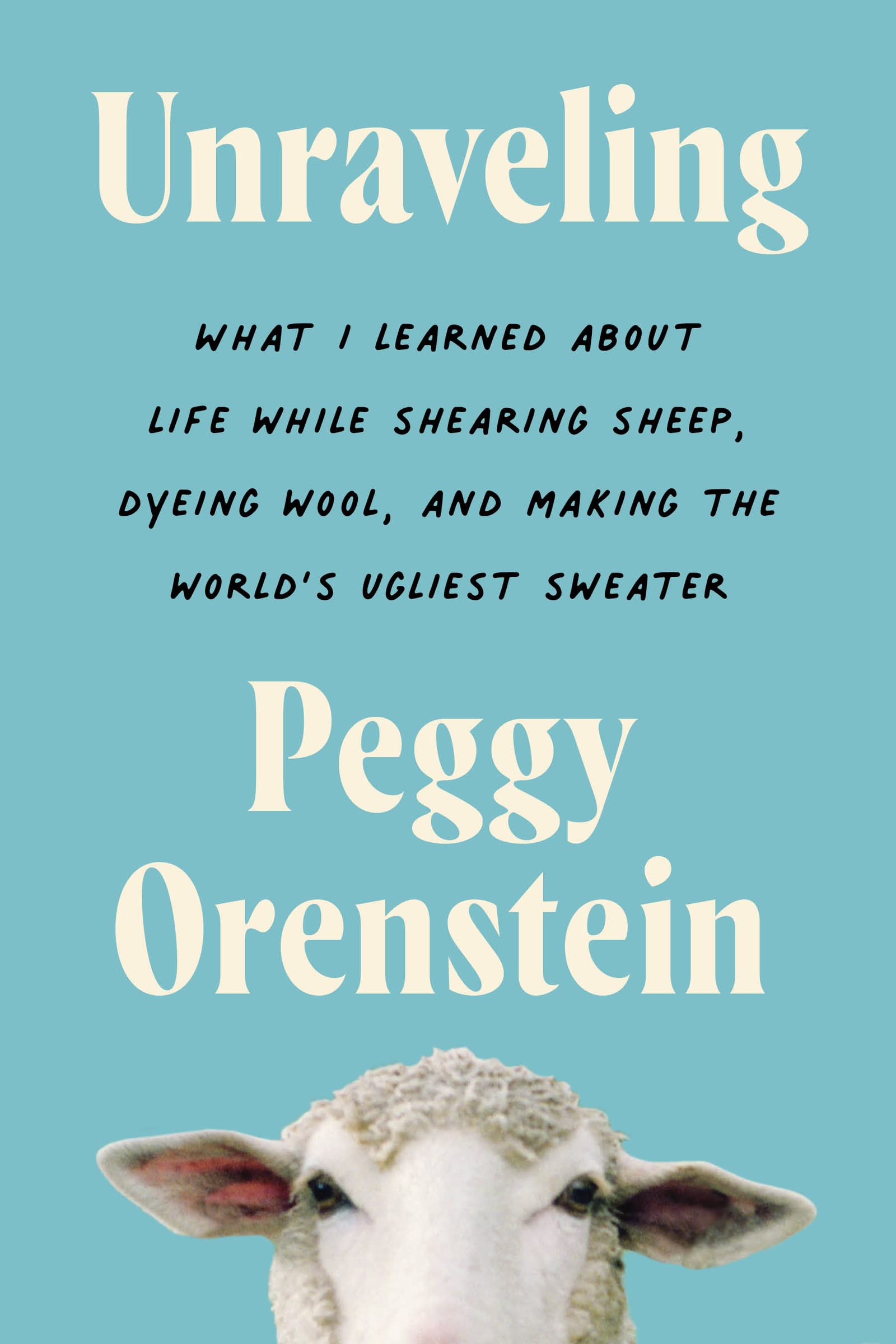
Tonight when I asked Alexa to set a reminder, she told me there was a brand new, improved Alexa+ coming. Would I like her to tell me more?

“No, Alexa,” I said. “I love you. I don’t want to replace you.”

“Thank you,” she responded. “That’s so kind of you.”

Lula Dean’s Little Library of Banned Books

By Kirsten Miller – William Morrow, 2024

In the sleepy town of Troy, GA, widow Lula Dean—a local busybody—has taken it upon herself to rid the libraries of what she considers inappropriate content. Despite not having read the titles herself, she believes she is rescuing the community from “pornography.” To support her mission, she places a hutch in her yard to create a free library filled with what she deems to be more suitable books. Unbeknownst to Lula, someone takes offense at her actions and begins covering banned books with the covers of the approved ones. As a result, these books find their way into the hands of those who need them most, particularly some residents who discover hidden talents, rekindle old passions and forge new connections based on what they read. In the end, no one is changed more than Lula herself. This is a novel that takes an important, timely topic and makes it highly entertaining and relatable to all.

Homebound Seniors Living Alone Often Slip Through Health System’s Cracks

About 2 million older Americans are completely or mostly homebound, and many have no help nearby

Millions of older people are confined to their homes or can only get out with great difficulty. A surprising number live alone, and their situation can be precarious. For this article, written for KFF Health News, journalist Judith Graham visited a number of homebound seniors and describes what their lives are like. KFF posted her story on December 2, 2024. It also ran on the Washington Post. Funding from the Silver Century Foundation helps KFF Health News develop articles (like this one) on longevity and related health and social issues. 

Carolyn Dickens, 76, was sitting at her dining room table, struggling to catch her breath as her physician looked on with concern.

“What’s going on with your breathing?” asked Peter Gliatto, MD, director of Mount Sinai’s Visiting Doctors Program.

“I don’t know,” she answered, so softly it was hard to hear. “Going from here to the bathroom or the door, I get really winded. I don’t know when it’s going to be my last breath.”

Dickens, a lung cancer survivor, lives in central Harlem, barely getting by. She has serious lung disease and high blood pressure and suffers regular fainting spells. In the past year, she’s fallen several times and dropped to 85 pounds, a dangerously low weight.

And she lives alone, without any help—a highly perilous situation.

Across the country, about 2 million adults 65 and older are completely or mostly homebound, while an additional 5.5 million seniors can get out only with significant difficulty or assistance. This is almost surely an undercount, since the data is from more than a dozen years ago.

It’s a population whose numbers far exceed those living in nursing homes—about 1.2 million—and yet it receives much less attention from policymakers, legislators and academics who study aging.

Consider some eye-opening statistics about completely homebound seniors from a study published in 2020 in JAMA Internal Medicine: nearly 40 percent have five or more chronic medical conditions, such as heart or lung disease. Almost 30 percent are believed to have “probable dementia.” Seventy-seven percent have difficulty with at least one daily task, such as bathing or dressing.

Almost 40 percent live by themselves.

That “on my own” status magnifies these individuals’ already considerable vulnerability, something that became acutely obvious during the COVID-19 outbreak, when the number of sick and disabled seniors confined to their homes doubled.

“People who are homebound, like other individuals who are seriously ill, rely on other people for so much,” said Katherine Ornstein, PhD, director of the Center for Equity in Aging at the Johns Hopkins School of Nursing. “If they don’t have someone there with them, they’re at risk of not having food, not having access to health care, not living in a safe environment.”

Only 12 percent of homebound seniors can get the primary care they need at home. 

Research has shown that older homebound adults are less likely to receive regular primary care than other seniors. They’re also more likely to end up in the hospital with medical crises that might have been prevented if someone had been checking on them.

To better understand the experiences of these seniors, I accompanied Gliatto on some home visits in New York City. Mount Sinai’s Visiting Doctors Program, established in 1995, is one of the oldest in the nation. Only 12 percent of older US adults who rarely or never leave home have access to this kind of home-based primary care.
Gliatto and his staff—seven part-time doctors, three nurse practitioners, two nurses, two social workers and three administrative staffers—serve about 1,000 patients in Manhattan each year.

These patients have complicated needs and require high levels of assistance. In recent years, Gliatto has had to cut staff as Mount Sinai has reduced its financial contribution to the program. It doesn’t turn a profit, because reimbursement for services is low, and expenses are high. 


First, Gliatto stopped in to see Sandra Pettway, 79, who never married or had children and has lived by herself in a two-bedroom Harlem apartment for 30 years.

Pettway has severe spinal problems and back pain, as well as type 2 diabetes and depression. She has difficulty moving around and rarely leaves her apartment. “Since the pandemic, it’s been awfully lonely,” she told me.

When I asked who checks in on her, Pettway mentioned her next-door neighbor. There’s no one else she sees regularly.

Pettway told the doctor she was increasingly apprehensive about an upcoming spinal surgery. He reassured her that Medicare would cover in-home nursing care, aides and physical therapy services.

“Someone will be with you, at least for six weeks,” he said. Left unsaid: afterward, she would be on her own. (The surgery in April went well, Gliatto reported later.)

The doctor listened carefully as Pettway talked about her memory lapses.

“I can remember when I was a year old, but I can’t remember 10 minutes ago,” she said. He told her that he thought she was managing well, but that he would arrange testing if there was further evidence of cognitive decline. For now, he said, he’s not particularly worried about her ability to manage on her own.

Having to get up and go out, you know, putting on your clothes, it’s a task. And I have the fear of falling.

—Carolyn Dickens

Several blocks away, Gliatto visited Dickens, who has lived in her one-bedroom Harlem apartment for 31 years. Dickens told me she hasn’t seen other people regularly since her sister, who used to help her out, had a stroke. Most of the neighbors she knew well have died. Her only other close relative is a niece in the Bronx whom she sees about once a month.

Dickens worked with special-education students for decades in New York City’s public schools. Now she lives on a small pension and Social Security—too much to qualify for Medicaid. (Medicaid, the program for low-income people, will pay for aides in the home. Medicare, which covers people over age 65, does not.) Like Pettway, she has only a small fixed income, so she can’t afford in-home help.

Every Friday, God’s Love We Deliver, an organization that prepares medically tailored meals for sick people, delivers a week’s worth of frozen breakfasts and dinners that Dickens reheats in the microwave. She almost never goes out. When she has energy, she tries to do a bit of cleaning.

Without the ongoing attention from Gliatto, Dickens doesn’t know what she’d do. “Having to get up and go out, you know, putting on your clothes, it’s a task,” she said. “And I have the fear of falling.”

The next day, Gliatto visited Marianne Gluck Morrison, 73, a former survey researcher for New York City’s personnel department, in her cluttered Greenwich Village apartment. Morrison, who doesn’t have any siblings or children, was widowed in 2010 and has lived alone since.

Morrison said she’d been feeling dizzy over the past few weeks, and Gliatto gave her a basic neurological exam, asking her to follow his fingers with her eyes and touch her fingers to her nose.

“I think your problem is with your ear, not your brain,” he told her, describing symptoms of vertigo.

As the aging population grows, rehab services, palliative care and other kinds of health care may have to be delivered in the home. 

Because she had severe wounds on her feet related to type 2 diabetes, Morrison had been getting home health care for several weeks through Medicare. But those services—help from aides, nurses, and physical therapists—were due to expire in two weeks.

“I don’t know what I’ll do then, probably just spend a lot of time in bed,” Morrison told me. Among her other medical conditions: congestive heart failure, osteoarthritis, an irregular heartbeat, chronic kidney disease and depression.

Morrison hasn’t left her apartment since November 2023, when she returned home after a hospitalization and several months at a rehabilitation center. Climbing the three steps that lead up into her apartment building is simply too hard.

“It’s hard to be by myself so much of the time. It’s lonely,” she told me. “I would love to have people see me in the house. But at this point, because of the clutter, I can’t do it.”

When I asked Morrison who she feels she can count on, she listed Gliatto and a mental health therapist from Henry Street Settlement, a social services organization. She has one close friend she speaks with on the phone most nights.

“The problem is I’ve lost eight to nine friends in the last 15 years,” she said, sighing heavily. “They’ve died or moved away.”

Bruce Leff, MD, director of the Center for Transformative Geriatric Research at the Johns Hopkins School of Medicine, is a leading advocate of home-based medical care. “It’s kind of amazing how people find ways to get by,” he said when I asked him about homebound older adults who live alone. “There’s a significant degree of frailty and vulnerability, but there is also substantial resilience.”

With the rapid expansion of the aging population in the years ahead, Leff is convinced that more kinds of care will move into the home, everything from rehab services to palliative care to hospital-level services.

“It will simply be impossible to build enough hospitals and health facilities to meet the demand from an aging population,” he said.

But that will be challenging for homebound older adults who are on their own. Without on-site family caregivers, there may be no one around to help manage this home-based care.


Unraveling: What I Learned About Life While Shearing Sheep, Dyeing Wool, and Making the World’s Ugliest Sweater

By Peggy Orenstein – Harper Paperbacks, 2024

In the wake of the pandemic, lifelong knitter Peggy Orenstein distracted herself from life’s adversities by making a sweater—from scratch. She sheared the sheep, collected its wool, cleaned it, dyed it, spun it and made a sweater. As she recounts this, she reveals her grief over her mother’s passing, her deep concerns for her father and her fears for her college-bound daughter. Orenstein shares the intricacies of fabric crafts, providing readers with a rich understanding of the history and significance of these age-old traditions. She also educates readers on how the act of spinning is woven into everything from myths to metaphors. This story is more than a memoir. It shows us the creativity of women across time, expressing their art through craft—and it’s a thoroughly delightful and enlightening read. 

Grief Retreats for Older Adults: A Path to Healing and Connection

When my husband died almost 20 years ago, my daughters were only 7 and 9. The younger one had a more difficult time processing her grief and the changes to our family routines. A guidance counselor gave me a brochure for a free camp that was open only to children suffering from the loss of a family member. I showed it to my daughter and read the blurbs about the cabins, lake and nature. She hesitated, then quickly asked, “You want to send me to a camp for sad kids?”

At that time, I wondered if they had a camp for sad moms. Now, I see there are more getaways for the grieving. 

Losing a loved one is one of life’s hardest experiences, and for older adults, the grief journey can feel particularly isolating. As they face the loss of spouses, close friends or family members, finding support can be difficult. 

Grief retreats can provide a dedicated, healing space for people to process their emotions and begin to move forward with the help of professional guidance and peer support. These retreats offer a chance to gather in a safe, understanding environment with others who are going through similar experiences. Sharing stories and emotions in this setting can help reduce the isolation often felt during grief, creating bonds that can last beyond the retreat.

A typical retreat for older adults includes therapeutic activities to help process grief, such as journaling, art therapy, gentle movement, guided meditation and nature walks. For many older adults, engaging in these activities can be a powerful way to release pent-up feelings that might be hard to express through words alone.

Professional grief counselors or therapists typically lead these retreats, offering support, guidance and coping techniques specifically tailored to older adults. This expertise helps ensure that the retreat is a structured, safe space where healing can take place at a comfortable pace. 

Grief retreats can be weekend getaways to longer, more immersive experiences. For those with mobility challenges or limited time, online grief retreats are also an option.

Here are a few options to start with, if you’re interested in a grief retreat: 

Kripalu Center for Yoga and Health: Known for its holistic approach, Kripalu offers grief retreats focused on healing through yoga, meditation and mindfulness.

The Grief Recovery Institute: This organization offers grief recovery programs and retreats designed to help individuals process loss and build a healthier, more fulfilling life afterward.

Center for Loss and Bereavement: Specializing in workshops and retreats, this center provides tailored grief support for individuals dealing with specific loss situations.

How to Lower the Risk That You’ll Be Hospitalized or Die

If your goal is healthy aging, vaccinations can be the key 

In 2006, Carmen Emery endured a bad case of shingles—just before the vaccine became available. She spent months in agonizing pain. Afterward, she got the shot as soon as she could and encouraged family and friends to get theirs too. 

“I’ve told everyone to get the vaccine,” Emery said. “If they’re not convinced, I’ll show them the scars on my back.” 

Now Emery is staying up to date on the recommended vaccinations for older adults. Most recently, she got the respiratory syncytial virus (RSV) vaccine to protect herself as well as her husband, who has asthma and other chronic lung issues.

Unfortunately, many older adults aren’t following Emery’s example. Only about one-quarter of adults ages 65 and up in the United States are getting all of their recommended vaccinations, according to the 2022 National Health Interview Survey (NHIS).  

“Substantial improvement in adult vaccination uptake is needed to reduce the burden of vaccine-preventable diseases nationally,” according to the NHIS report. “Increasing the proportion of adults who receive recommended age-appropriate vaccines … is a high-priority public health issue.”

Study after study confirms that vaccines keep older adults healthier and less susceptible to hospitalization, severe illness and death, according to Judith Ford, MD, chief clinical officer for Archwell Health, a primary care company for adults 60 and older. She ticks off a list: COVID vaccines reduced deaths by 59 percent from December 2020 to March 2023, when 96 percent of the casualties who died were over 60; the RSV vaccine is up to 80 percent effective in preventing hospitalization among immunocompromised adults over 60; patients vaccinated with the flu shot had a 26 percent lower rate of ICU admission and 31 percent lower risk of death.  

Changing Immune Systems

As people age, their immune systems naturally weaken—a process called immunosenescence. This decline makes it harder for the body to fight off infections, leaving older adults more vulnerable to severe illness or even death. That’s why, when the flu sends hundreds of thousands to the hospital and causes tens of thousands of deaths, the majority of them are older adults. Vaccines provide a crucial defense. 

Most older adults know the drill when it comes to annual flu shots and the widely publicized COVID-19 vaccines and boosters, but not all are aware of the growing list of vaccinations recommended by the Centers for Disease Control for people 50 and up.

In August 2024, the CDC updated its guidelines to recommend a single dose of the RSV vaccine for adults 75 and older, or 60 and up for those living in residential facilities or with high-risk conditions. 

“Over the past decade or so, we’ve been seeing increasingly severe RSV infections in our older adult patients,” said Laurie Archbald-Pannone, MD, associate professor of geriatrics at the University of Virginia School of Medicine. A study published in JAMA in 2024 showed that vaccinated older adults were 75 percent less likely to be hospitalized for RSV compared to their unvaccinated peers. 

The shingles vaccine was also added to the CDC’s list in recent decades. Zostavax debuted in 2006, followed by a more effective successor, Shingrix, in 2017. The CDC now recommends the Shingrix vaccine, given in two doses, for people over 50.

Other CDC-recommended vaccines include: 

  • COVID-19. The latest recommendation is for a second dose of the 2024-2025 booster for those over 65 who are moderately or severely immunocompromised.  Some experts believe COVID boosters may become a yearly ritual, like flu shots. Both the COVID booster and flu shot may be administered at the same time.
  • Pneumonia. The CDC recommends routine pneumococcal vaccines (PCV15, PCV20 or PCV21) for all adults ages 50 and up. Depending on the patient’s health situation, a second vaccination may be advised after age 65. 
  • High-dose flu shot. An annual flu shot is recommended for everyone six months and older; for those over 65, the CDC advises a high-dose version. (Pro tip: get the annual shot in the early fall, by late October. The flu season runs from October through March; it takes about two weeks for the vaccine to take effect.) 
  • Hepatitis B. The vaccine is recommended for people over 60 with risk factors, such as multiple sex partners or a history of sexually transmitted infections. 
  • Tetanus, diphtheria and pertussis (Tdap) booster. Most Americans receive this vaccination as children; the CDC recommends a booster every 10 years. 

Undervaccination

The cost of most of these vaccines is covered by Medicare, or by private insurance for those under 65. (Coverage may vary for the shingles vaccine, which falls under Part D drug coverage for Medicare patients.) Vaccines are widely available at doctor’s offices, pharmacies, workplaces and community clinics. 

Still, many older adults remain undervaccinated. For example, only 64 percent of adults 65 and up have received a pneumococcal vaccine, with disparities between white adults (69 percent vaccinated) compared to black (53 percent), Hispanic (42 percent) and Asian (50 percent) patients. 

Barriers to vaccination include cost, needle phobia or lack of information on recommended vaccinations and how to obtain them. Barriers were more likely to affect older adults with less education, in racial minorities, or those living alone or in rural areas.

Another barrier: not all doctors proactively encourage vaccinations. And a doctor’s recommendation makes a big difference, according to Sean Ormond, MD, a pain management specialist in Glendale, AZ.  Even his vaccine-hesitant patients are usually accepting—when he recommends vaccinations. 

“Sometimes patients have heard myths about side effects or think they don’t need them,” Ormond said. “I try to take the time to explain the benefits. When patients understand how vaccines can protect them—not just from illness but also from pain and complications—they’re usually more willing.”

Ford frequently hears this refrain: “Oh, I never get the flu shot, it makes me sick.” However, none of the vaccinations recommended for older adults are live vaccines.  

“They can’t cause disease; it’s biochemically impossible,” she said. “They might make you feel punky for a couple of days or give you a sore arm. But you’re not getting the disease. That’s your body building up immunity.”

Rare Reaction

After a bad reaction to the COVID-19 vaccine, Glenda Williams, 63, won’t be getting any COVID boosters or any of the other vaccinations recommended for older adults. 

Williams (not her real name) did fine with the first shot, but the booster triggered a series of scary symptoms: panic attacks, itching, a burning sensation and vision loss. Her doctor diagnosed mast cell activation syndrome, an uncommon but documented reaction linked to the COVID-19 vaccine. Because she has Hashimoto’s disease, an autoimmune condition, the shot triggered irritation in her immune system. It took months, but dietary changes (eliminating foods with histamines) eventually cleared up most of the symptoms. 

“I’m not an anti-vaxxer, even after what I went through,” she said. “But vaccinations are not for me.”

Older adults with chronic conditions or a history of reactions to vaccinations should talk with their physicians before proceeding with any of the recommended vaccinations. But at the same time, for those with conditions like COPD, asthma, kidney or other chronic illnesses, it’s especially critical to consider vaccinations to protect from respiratory diseases like COVID, flu, RSV and pneumonia. 

“Vaccines are not always going to protect you 100 percent,” she said. “You may still get the disease, but the vaccine can make the difference between a mild case, or ending up in the hospital, or having long-term problems. In the case of COVID-19, for example, we know that people who are vaccinated are less likely to have long COVID.” 

A great question for new or soon-to-be grandparents to ask themselves is, ‘What vaccines do I need to be updated on?’

Edgar Navarro Garza, MD

Similarly, vaccinated patients who do contract shingles are less likely to suffer from postherpetic neuralgia, which can be debilitating. 

Misinformation and conspiracy theories, which proliferated during the COVID-19 pandemic, have further muddied the picture in recent years. 

“Unfortunately, vaccination has become a political issue, which drives me crazy because it’s not—it’s a medical issue,” Ford said.

Archbald-Pannone thinks the pandemic may have created some “vaccine fatigue,” but at the same time, it raised awareness about vaccinations that she hopes could help reverse the low vaccination rates among older adults. 

“Coming out of the public health emergency, many of my patients have become really focused on what they can do to stay as healthy as possible, and some are much more proactive about staying up to date on their vaccinations,” she said. 

For the Grandkids

Becoming a grandparent leads some older adults to revisit their vaccination schedules, according to Edgar Navarro Garza, MD, a pediatrician at Harbor Health in Austin, TX.  

“A great question for new or soon-to-be grandparents to ask themselves is, ‘What vaccines do I need to be updated on?’” he said. “You want to be protected yourself, but also to protect your new grandchild. And it’s also important to encourage all your family members to be updated too.” 

That’s one reason to consider the Tdap booster, which the CDC recommends every 10 years to prevent pertussis (whooping cough.) Some elementary schools in the United States have seen pertussis outbreaks in schools in recent years.

“If you’ve ever heard someone with pertussis, you never forget that cough,” Ford said.  

Ford adds that additional vulnerability to illness is something that older adults share with babies and toddlers. Typically, children tend to be more vulnerable to different types of infections than older adults, but RSV is an exception. 

“RSV is bimodal—it mostly affects children and seniors,” Ford said. Every year, RSV hospitalizes lots of babies and children as well as older adults; at peak season, entire wings of hospitals are filled with RSV cases.

Ford says she’ll continue to “bang the drum” for vaccinations. 

“For every type of vaccine, the evidence is overwhelming,” she said. “We want to keep people out of the hospital. If they do go, we want their stay to be short, and we don’t want them in the ICU. Most importantly, we don’t want patients to succumb to these diseases. Vaccinations are a no-brainer.” 

True Grit (2010)

2010, USA, 110 min.

The Coen Brothers’ remake of the surprisingly sunny, straight-ahead, 1969 western classic is a sparse, tight noir that ranks alongside unsentimental masterpieces such as The Wild Bunch and Unforgiven. Ornery, unkempt and borderline indecipherable, aging tracker Rooster Cogburn (Jeff Bridges) takes on a no-nonsense client (Hailee Steinfeld), a 14-year-old girl of brusque and eloquent efficiency determined to find her father’s killer (Josh Brolin). The pair head deep into Indian Territory, with help from a fancy-pants Texas Ranger (Matt Damon), and fall deeper into a metaphor: vengeance exacts a heavy toll on young and old alike. Nobody walks away cleansed by vindication. Thanks to Roger Deakins’ haunting cinematography and a bevy of outstanding performances (Steinfeld matches Bridges, scene for scene), a tale of flawed, stoic heroism becomes cliché-free cinematic poetry.  


True Grit (1969)

1969, USA, 128 min.

Far sunnier than the bluntly poignant 2010 remake, this is still eminently watchable. John Wayne plays an alcoholic, one-eyed, US marshal hired by a precocious teen (Kim Darby) to find her father’s killer in the vast Indian Territory. Released the same year as The Wild Bunch and a few years after Sergio Leone’s spaghetti westerns, the film was already an anachronism. Though it is perhaps the last of the traditional, straight-ahead westerns (many of which starred Wayne), it’s a rousing reminder of classic Hollywood swagger—and that integrity and courage don’t dim with age. Wayne, that embodiment of rigid, matinee-idol machismo even in his 60s, is perfect in his only Oscar-winning role, which might be his most vulnerable performance. Dying is easy; aging is hard—especially if you’re a survivor in a lawless occupation.

Dinners with Ruth: A Memoir on the Power of Friendships

By Nina Totenberg – Simon & Schuster, 2022

National Public Radio correspondent Nina Totenberg chronicles her nearly 50-year friendship with Supreme Court Justice Ruth Bader Ginsburg. Their friendship began when Totenberg was a young journalist covering the Supreme Court, and Ginsburg was a rising legal scholar. They quickly discovered a shared passion for social justice and women’s rights. They supported each other through personal and professional challenges and shared countless meals, laughter and heartfelt conversations. This biography shows Ginsburg beyond the public figure, revealing her as a complex, witty and deeply caring individual, who worked—and worked out—into her 80s. The book also explores the challenges and triumphs of Totenberg’s career. Totenberg delves into the families, colleagues and friends (you’ll recognize many of them) who uplifted her, both personally and professionally. You won’t want to miss this heartfelt homage to a lifelong bond that will inspire and remind you of the profound impact of human connection.

It Takes a Network to Support a Senior Who Lives Alone

At last count, 15 million solitary Americans 50 and older had no family they could turn to for help

Americans love their independence, but as the years pile up, living alone can become precarious with no family nearby. Some solo agers manage well with the help of a local network made up of friends, neighbors, nephews, nieces and even ex-spouses. Journalist Judith Graham talked to a number of older people in that situation about how they were getting along. She wrote her article for KFF Health News, which posted it on November 12, 2024. It also ran on the Washington Post. Funding from the Silver Century Foundation helps KFF Health News develop articles (like this one) on longevity and related health and social issues.

Donald Hammen, 80, and his longtime next-door neighbor in south Minneapolis, Julie McMahon, have an understanding. Every morning, she checks to see whether he’s raised the blinds in his dining room window. If not, she’ll call Hammen or let herself into his house to see what’s going on.

Should McMahon find Hammen in a bad way, she plans to contact his sister-in-law, who lives in a suburb of Des Moines. That’s his closest relative. Hammen never married or had children, and his younger brother died in 2022.

Although Hammen lives alone, a web of relationships binds him to his city and his community—neighbors, friends, former coworkers, fellow volunteers with an advocacy group for seniors, and fellow members of a group of solo agers. McMahon is an emergency contact, as is a former coworker. When Hammen was hit by a car in February 2019, another neighbor did his laundry. A friend came over to keep him company. Other people went on walks with Hammen as he got back on his feet.

Those connections are certainly sustaining. Yet Hammen has no idea who might care for him should he become unable to care for himself.

“I’ll cross that bridge when I come to it,” he told me.

These are fundamental questions for older adults who live alone: Who will be there for them, for matters large and small? Who will help them navigate the ever more complex health care system and advocate on their behalf? Who will take out the garbage if it becomes too difficult to carry? Who will shovel the snow if a winter storm blows through?

American society rests on an assumption that families take care of their own. But 15 million Americans 50 and older didn’t have any close family—spouses, partners or children—in 2015, the latest year for which reliable estimates are available. Most lived alone. By 2060, that number is expected to swell to 21 million.

Beyond that, millions of seniors living on their own aren’t geographically close to adult children or other family members. Or they have difficult, strained relationships that keep them from asking for support.

These older adults must seek assistance from other quarters when they need it. Often, they turn to neighbors, friends, church members or community groups—or paid help, if they can afford it.

And often, they simply go without, leaving them vulnerable to isolation, depression and deteriorating health.

On one survey, just 25 percent of older people who lived alone had someone they could count on to help in a pinch with household tasks like getting groceries.

When seniors living alone have no close family, can nonfamily helpers be an adequate substitute? This hasn’t been well studied.

“We’re just beginning to do a better job of understanding that people have a multiplicity of connections outside their families that are essential to their well-being,” said Sarah Patterson, PhD, a demographer and sociologist at the Institute for Social Research at the University of Michigan.

The takeaway from a noteworthy study published by researchers at Emory University, Johns Hopkins University and the Icahn School of Medicine at Mount Sinai was this: many seniors adapt to living solo by weaving together local social networks of friends, neighbors, nieces and nephews, and siblings (if they’re available) to support their independence.

Still, finding reliable local connections isn’t always easy. And nonfamily helpers may not be willing or able to provide consistent, intense, hands-on care if that becomes necessary.

When AARP surveyed people it calls “solo agers” in 2022, only 25 percent said they could count on someone to help them cook, clean, get groceries, or perform other household tasks if needed. Just 38 percent said they knew someone who could help manage ongoing care needs. (AARP defined solo agers as people 50 and older who aren’t married, don’t have living children and live alone.)

Linda Camp, 73, a former administrator with the city of St. Paul, MN, who never married or had children, has written several reports for the Citizens League in St. Paul about growing old alone. Yet she was still surprised by how much help she required this summer when she had cataract surgery on both eyes.

A former coworker accompanied Camp to the surgery center twice and waited there until the procedures were finished. A relatively new friend took her to a follow-up appointment. An 81-year-old downstairs neighbor agreed to come up if Camp needed something. Other friends and neighbors also chipped in.

Camp was fortunate—she has a sizable network of former coworkers, neighbors and friends. “What I tell people when I talk about solos is, all kinds of connections have value,” she said.

Michelle Wallace, 75, a former technology project manager, lives alone in a single-family home in Broomfield, CO. She has worked hard to assemble a local network of support. Wallace has been divorced for nearly three decades and doesn’t have children. Though she has two sisters and a brother, they live far away.

Wallace describes herself as happily unpartnered. “Coupling isn’t for me,” she told me when we first talked. “I need my space and my privacy too much.”

Instead, she’s cultivated relationships with several people she met through local groups for solo agers. Many have become her close friends. Two of them, both in their 70s, are “like sisters,” Wallace said. Another, who lives just a few blocks away, has agreed to become a “we’ll help each other out when needed” partner.

“In our 70s, solo agers are looking for support systems. And the scariest thing is not having friends close by,” Wallace told me. “It’s the local network that’s really important.”

Some solo agers find help and companionship in unexpected places. 

Gardner Stern, 96, who lives alone on the 24th floor of the Carl Sandburg Village condominium complex just north of downtown Chicago, has been far less deliberate. He never planned for his care needs in older age. He just figured things would work out.

They have, but not as Stern predicted.

The person who helps him the most is his third wife, Jobie Stern, 75. The couple went through an acrimonious divorce in 1985, but now she goes to all his doctor appointments, takes him grocery shopping, drives him to physical therapy twice a week and stops in every afternoon to chat for about an hour.

She’s also Gardner’s neighbor—she lives 10 floors above him in the same building.

Why does she do it? “I guess because I moved into the building and he’s very old and he’s a really good guy and we have a child together,” she told me. “I get happiness knowing he’s doing as well as possible.”

Over many years, she said, she and Gardner have put their differences aside.

“Never would I have expected this of Jobie,” Gardner told me. “I guess time heals all wounds.”

Gardner’s other main local connections are Joy Loverde, 72, an author of elder-care books, and her 79-year-old husband, who live on the 28th floor. Gardner calls Loverde his “tell it like it is” friend—the one who helped him decide it was time to stop driving, the one who persuaded him to have a walk-in shower with a bench installed in his bathroom, the one who plays Scrabble with him every week and offers practical advice whenever he has a problem.

“I think I would be in an assisted living facility without her,” Gardner said.

There’s also family: four children, all based in Los Angeles, eight grandchildren, mostly in LA, and nine great-grandchildren. Gardner sees most of this extended clan about once a year and speaks to them often, but he can’t depend on them for his day-to-day needs.

For that, Loverde and Jobie are an elevator ride away. “I’ve got these wonderful people who are monitoring my existence, and a big-screen TV, and a freezer full of good frozen dinners,” Gardner said. “It’s all that I need.”

The Final Acts of a Caregiver

After nearly three years of helping my mom, my job had ended. I held Mom’s still-warm hand and mumbled stuff I would have mumbled hours earlier had I known the few drops of morphine and Haldol would have led her to shut down so quickly. I cried some more. I felt guilty for seemingly using the drugs to cut her life short by minutes or hours, even though it had been becoming clearer that the end was near.

Around 6:30 a.m. I called for a palliative care nurse. She made the official pronouncement—we estimated the time of death—and asked me for all remaining narcotics. Tired and delirious, I joked that I planned to sell them at the local college to help pay for Mom’s funeral. She did not think this was funny.

She poured out the meds into towels and left me with an empty box. Then she advised me to call the funeral home and left me in what had become an empty apartment.

I made the dreaded call to the undertaker, called two cousins who lived nearby and also our trusted aide, Lakita, to tell her she didn’t have to come in. Lakita burst into tears.

My cousins arrived before the undertaker, noted my mom sitting in her chair, and we had what seemed like a normal discussion only 10 feet away from her, as if she were taking a nap. My cousin’s teenage daughter sat on the couch next to Mom’s chair and read a book, occasionally peeking at her great aunt. It was all surreal. 

Two big guys arrived from the funeral home and asked us all to leave the room. Sometimes, they said, removing the body could get, and sound, ugly. That seemed unlikely as Mom looked so small and peaceful, and they were out of the apartment in less than five minutes. The void left was far greater than Mom’s 90 pounds.

My last jobs as caregiver—there was no will, no estate—would be organizing the funeral and writing the eulogy. As we were at the height of the pandemic, the graveside service would be tiny, only the closest relatives, and there would be no post-service luncheon, no shiva. None of Mom’s friends would be able to eat Danish and gossip about her nearly 99 years. An Orthodox friend of mine led the brief service, because the rabbi who knew my mom couldn’t make it, and I wasn’t spending $600 on a rent-a-rabbi.

I’d saved $6,000 on a credit card to pay for the funeral, as Mom had no life insurance, but was taken aback when I was told this no-frills event would run over $9,000. I learned that you can’t pay for a funeral over time (ironic that there’s no layaway plan given the circumstances) because undertakers don’t trust people to pay once “the body is in the ground,” said the funeral director. I also learned that if you die two days before the first of the month, you don’t get your Social Security check. It may be the one place where the government is efficient.

I had been spending through my own savings as a caregiver, because Mom had run out of her own money and Social Security wasn’t covering her bills. I borrowed $3,000 for the funeral and gave it to the big guys driving the hearse. The service for 11 mourners went off without a hitch.

As I was leaving the burial plot, a deer came running by, leaping over the headstones. As I neared the George Washington Bridge, on my drive back to New York, another deer ran alongside my car. I had never seen deer in either of these locations. Was it Mom wishing me well or a weird coincidence? I’m not normally one to believe in that stuff, but now I’m not so sure.

Walking back into our apartment building brought the oddest coincidence. I bumped into Mom’s favorite visiting nurse, Nicole, and she stopped to chat. She said how much she enjoyed chatting with Mom and told me stories I’d never heard. One was that Mom had had a miscarriage before me, so my arrival was a happy surprise. 

She also told me that Mom had assured her she was ready to go but was trying to hang on so I wouldn’t be alone. Though caregiving is meaningful and feeds the soul, even while it’s exhausting and frustrating, it was nice to hear that Mom was still worrying about me while I was worrying about her. And she was still doling out advice to her aide, who went back to school when her time with us was sadly done.

Over the last few years of her life, and especially the last few months, people in our apartment complex would often see me helping my mom and say, “You’re such a good son, the way you take care of your mother.”

No, I thought. I was a good son because of my mother.

Not Nothing

By Gayle Forman – Aladdin, 2024

He’s only 12, but Alex has had a hard lifehe’s attended a dozen schools, he’s lost his mom, and now he’s been sentenced to volunteering at a retirement center. He knows the act that landed him this punishment was unforgivable and he feels terrible about it, but he’s also angry and scared, and he’s definitely not interested in being a part of whatever makes the center smell the way it does. And if he has to bide his time there, he sure is not going to spend it with Maya-Jade, whose grandmother lives at Shady Glen and who must be a do-gooder if she’s choosing to spend her summer as a volunteer. But one day, 107-year-old, selectively mute resident Josey— who has been impatiently waiting to die—decides to break his silence to Alex. Suddenly, going in each day is less of a chore. As Josey shares his memories of love, death and survival in World War II Poland, the quick friendship between the duo helps Alex begin to see there’s life beyond his own pain and that connecting with people brings more joy than sorrow. The book’s theme of compassion and forgiveness is timeless, and best-selling author Gayle Forman delivers with this moving story that will appeal to all ages.

On the Unsung Pleasures of Very Long Friendships

I made my first real friend when I was 11 and she was 12. Marsha moved in on the block. Soon after, her mother saw my mother in the backyard and said she had a daughter about my age. My mother said, let her come for lunch. Marsha wrote me recently, “Loved your mom. I remember the first time we met and I had lunch at your house. We had grilled cheese w tomato.” That was 72 years ago. 

We had an enriched childhood together. Her jokes cracked me up. We played pickup sticks for hours, practicing the small motor control that would enable us to paint and draw later. We started a “firm” that didn’t do anything, but whose mere name, Morgan and White, let us believe we were real artists and writers. 

We argued about whether the modernist movie theater, the Midwood, was more beautiful than the baroque Loews Kings on Flatbush Avenue. We did puppet theater in her basement for neighborhood kids. We put out a newspaper of our doings called The Little Issue. Only my uncle Jack bought a copy; he paid 25 cents, probably to encourage writing, typing and doing layout. We started a novel that began “Doctor Boshkov pressed the tips of his well-manicured fingers together.” On the anniversary of the day we met, we had an outing to Manhattan.

Marsha visited me in college. She kept me from putting on a hoity-toity North Shore of Boston accent by laughing her head off the first time I tried it on. We shared the travails of dating. We did our first trip to Europe together, living on $5 a day, going our separate ways in museums as art lovers do and telling our finds at dinner.   

After college we never lived in the same city again. She married. I went to various graduate schools, married and settled around Boston. In the child-raising years, we saw little of each other but kept up. When she divorced, her ex-husband kindly called to tell me she would like to hear from me. We picked up the friendship again. I have one of her paintings where I see it every day. When her second husband died, when she moved, we talked more often.  

Nowadays, in our 80s, we email about our kids and grandkids, we discuss independent living and Continuing Care Retirement Communities. She’s as instinctually funny as she ever was. Her Facebook posts are either beautiful or a hoot. “Morgan and White” was a prologue to a working life: “Morgan” became a writer and “White” an artist—under our real names, of course.

I’m averse to nostalgia, I want to share my day to day and my opinions on the world’s current events. But it matters that I remember her parents, and she, mine. Marsha’s still one of my besties. She’s like my cousins—also childhood allies whose lives still crisscross with mine.

I’ve made newer friends, of course. But it’s delightful how many friends from college or graduate school are still lunchtime and Facetime and email pals. Andrea, in Andover, is a friend from college who became a bestie in our middle years, when both of us were starting second careers. 

Some friends are distant in space. Connie is in LA, Penny is in Baltimore, Caroline in Maine. I’m in touch by email with one middle school friend, two high school friends. My women college classmates meet on Zoom once a month. We are more politically alike than we used to be; we are all feminists now. 

Who said, “The last of life, for which the first was made”? It was Browning, of course, from “Rabbi Ben Ezra,” not a very good poem but worth it for this line. We never stop needing the old friends and relatives who have known us through many changes of our life course. Indeed, we cherish them more in later life, as some loved ones die and others move away. 

My granddaughter, starting college, meeting many people, goes through the normal selection and elimination processes. She seems enchanted by the fact that I have kept so many close friends from those youthful years. Being accompanied as she grows up: it must seem miraculous. 

My life course ahead, like everyone’s, is still unknown territory. I prize the companionship, while growing older. And it’s axiomatic that my friends and I have more in common now than we ever did. How could it be otherwise? Anecdote by anecdote, story by story, we add to the Memory Palace we share. 


Sex after 65: Friskier but Riskier

Older adults are having more sex these days, but knowledge gaps persist

At 81, Hélène Bertrand, MD, and her 90-year-old husband continue to enjoy a fulfilling sex life. Once every week or two, they share intimate moments that lead to orgasm and, as Bertrand puts it, “a very good night’s sleep.”

“Over 36 years of marriage, we’ve learned the moves that our partners like and delight in giving each other pleasure,” said Bertrand, a retired physician. “Our satisfying sex life improves the quality of our marriage. You don’t have to be 20 years old to have a good sex life.” 

Research shows that many older adults maintain active sex lives well beyond 65. According to a 2018 National Poll on Healthy Aging, 40 percent of those aged 65 to 80 are sexually active. Among respondents with a romantic partner, more than half reported engaging in sexual activity.  

Yet as the population ages, medical care has not kept pace with this reality. Gaps in knowledge and understanding persist. Senior living communities often lack policies that respect sexual expression, particularly for LGBTQ residents. Even health care professionals frequently underestimate or neglect the sexual needs of older adults, influenced by stereotypes that dismiss them as asexual or deem sex “unnecessary” after reproductive age. 

“Sexuality is a critical aspect of quality of life, yet it’s rarely discussed,” said Sivan Perdue, LCPAT, an art therapist certified in dementia care and sexual health.

The Longevity of Love

Several factors explain why older adults are enjoying more sexual longevity. Many are living longer, healthier lives. Those shaped by the sexual revolution often retain more open attitudes toward sexuality as they age. Medical advances, including treatments for erectile dysfunction, and hormonal therapies, have extended the potential for satisfying sex lives. 

For those seeking connections after the death of a partner or divorce, dating apps like OurTime and SeniorMatch open a wider pool of possible partners for romance and intimacy. One in six Americans ages 50 and older (17 percent) have tried using a dating site or app at least once, according to research from the Pew Research Center. 

“Today, older adults are more likely to participate in the hook-up culture of casual encounters and condomless sex,” according to a 2023 report in The Lancet, “Sexual activity of older adults: let’s talk about it.”

Positive portrayals of later-life romance in pop culture also play a role. Movies like It’s Complicated and TV series like Grace and Frankie show older adults embracing active sex lives and candidly discussing intimacy. Even reality TV, with shows like The Golden Bachelor, portrays romance as ageless.

Bertrand credits hormone therapy and a healthy lifestyle for the enduring intimacy she and her husband enjoy. Both have taken hormones since their 50s. She started using an estrogen patch in her 50s to counter menopause symptoms like depression, insomnia and hot flashes. Hormone therapy poses potential downsides—including a higher risk for breast cancer—but Bertrand thinks it’s worth the risk.

“Life’s too short,” she said.

Decreasing Libido

While 40 percent of older adults report they are sexually active, that leaves 60 percent who are not. It’s common for men and women to experience a gradual decline in libido beginning in their 50s, often triggered by factors like hormonal changes and chronic disease or disability. 

Sagging skin and other age-related physical changes may make some feel more inhibited sexually. Many medications prescribed to older adults can also dampen desire or affect functioning, including blood pressure medications, pain medications, statins and others. Obesity can interfere with sexual function, both at the hormonal and psychological level.

Some older adults simply lack partners. More than one-third of Baby Boomers aren’t currently married. Compared to previous generations, fewer Boomers got married in the first place, and among those who did, more ended up divorced or separated. Also, as people are living longer, the divorce rate for those 50 or older is rising. 

Some older adults lose partners to death. Jo McCormack (not her real name), 72, grew up during the sexual revolution and made the most of it, enjoying multiple liaisons with men in her youth. She never married but entered a long-term, monogamous relationship in her 30s that lasted 33 years, until her partner’s death.

“We had a very satisfying sex life, but when he died, my libido died with him,” she said. “I’ve always had a lot of men in my life, but now, I have no desire.” 

Online dating does widen the pool of potential love matches for older adults—if they’re comfortable using dating apps. Some find the technology too daunting. And online dating can be frustrating. 

“Many of us [people over 50] have to swim through a dispiriting sea of hundreds of people, most of whom we are unlikely to ever want to date,” writes Maggie Jones in the New York Times. “That includes profiles that are fake, created by scammers to try to lure private information from users. And while most profiles are real, sometimes their photos are not so much. More than one person told me that photos can be so outdated or filtered that they barely recognized their date when they met.”

Rising Risks

Increased sexual activity among older adults has coincided with a surge in STIs [sexually transmitted infections]. Between 2010 and 2023, STI rates among adults over 65 skyrocketed, with chlamydia tripling, gonorrhea increasing sixfold, and syphilis, nearly tenfold. Overall, STI rates among those 55 and older climbed from three to five cases per 100,000 in 2010 to 17.2 per 100,000 in 2020.

Despite these trends, older adults often lack basic STI knowledge. Few health care providers address sexual health with patients over 65 proactively. Among sexually active older adults, only 17.3 percent reported discussing sexual health with a provider in the past two years, and in most cases, patients initiated the conversation. 

Maggie Syme, PhD, a research psychologist at Massachusetts General Hospital, noted that the US Preventive Services Task Force only recommends STI screening for patients up to age 65. By contrast, doctors routinely ask younger patients about their sexual health and habits. For people ages 16-25, sex education is readily available in schools and colleges.

“But there are very few resources for older cohorts,” Syme said. “So, we have more older people engaging in sexual relations with new partners but lacking the resources and information to help them minimize risk.” 

Syme would like to see more public health campaigns aimed at older adults, such as the “Age is not a condom” social media campaign launched by ACRIA, an HIV-related nonprofit in New York state. 

If there’s one man with multiple partners in an assisted living community, that’s a recipe to start an STI outbreak.

—Martha Kempner

Condoms aren’t a foolproof solution, however. Condom use can pose practical challenges for older couples, cautions Leanna Wolfe, PhD, author of 177 Lovers and Counting: My Life as a Sex Researcher (Rowman and Littlefield, 2024.) 

“An older man needs a certain amount of stimulation, and a condom may not allow for that,” she said. Also, it’s difficult to apply a condom when the male isn’t fully erect, or if the couple is employing lubricants for vaginal dryness, a common problem for older women. (If condoms aren’t fail-safe, other preventive options include regular testing for STIs, limiting sexual partners to a mutually monogamous relationship, and possibly getting relevant vaccinations, such as HPV.)  

Many senior living communities lack policies that ensure residents’ safety while supporting their right to sexual expression. Sivan Perdue helps communities craft guidelines that address the reality of residents enjoying sexual activity. 

“It’s a matter of educating staff that sexuality is completely normal, that residents have a right to their privacy and that staff should not impose their beliefs,” she said.  “Policies should also ensure inclusivity for LGBTQ residents. No one should feel they have to go back into the closet in their later years.”

Residents living with dementia pose special issues. People with dementia have the right to sexual relationships if they desire them, Perdue adds. But whether an individual has the capacity to give consent is a complex question that requires careful, case-by-case consideration. 

The gender imbalance among older adults may also contribute to the rise in STIs, according to Martha Kempner, author of the Sex on Wednesday newsletter and co-author with Pepper Schwartz of 50 Great Myths of Human Sexuality (Wiley-Blackwell, 2015.) Because women live nearly six years longer than men, on average, there are fewer male partners available for older women. 

“If there’s one man with multiple partners in an assisted living community, that’s a recipe to start an STI outbreak,” Kempner said.  

Waning Desire

While more people are enjoying longer sex lives, sexual activity does change as people age. 

“I think the common misconception is that nothing works after a certain age,” Kempner said. “Things get a little more complicated as we age, but there are ways around that. Viagra and other performance enhancing treatments can help address erectile dysfunction in men. Lubricants can combat vaginal dryness.”

Developing a satisfying sex life in later life often means expanding one’s sexual vocabulary. 

“Many older adults have limited ideas of what constitutes ‘sex,’” according to Leanna Wolfe. “They think sex is only sex if it’s penile-vaginal intercourse.”

Partnered sex and intercourse may not be possible due to age-related issues such as arthritis, mobility limitations, effects of medication or serious health conditions. Oral sex, for example, often works better for older adults, according to Wolfe.  

Good communication, always key to a good sex life, is essential for older adults. However, sex is often a difficult topic to broach with a romantic partner, according to the National Poll on Healthy Aging. Only one in three respondents indicated they would talk to their partner about sexual health problems. 

But communication is critical for couples navigating changes in sexual desire. If both partners lose interest in sex in a relationship, that’s not necessarily a problem, but couples whose levels of interest and desire become unequal must negotiate those changes. Good communication can lead to effective compromises—like scheduling times for intimacy or agreeing to “maintenance sex” to enhance the relationship, even if one partner isn’t necessarily in the mood.  

To keep the spark alive, one woman sends her partner flirtatious text messages and makes sure he knows what “stokes the fire” for her.

When couples have unequal sex drives, it’s important not to sweep the issue under the rug, advises Maryon Stewart, author of Manage Your Menopause Naturally (New World Library, 2020.) 

“When your libido is low, expecting your partner to understand what is going on, without explaining, is an easy trap to fall into,” she said. 

Waning desire hasn’t happened with Lynn Johnson, 62, and her 77-year-old male partner. They’ve been together 15 years.  

“We’re both a bit baffled by it,” she said. “That’s a long time to want someone badly. The best way I can describe it is chemistry.” 

Johnson was in a long marriage previously, which was sexless for many years. “I was determined never to be in a relationship again where that was the case,” she said. “I’m just really cognizant of how to keep that alive.” 

To keep the spark alive, Johnson incorporates playful gestures, like sending flirtatious text messages. She’s vocal with her partner about what “stokes the fire” for her, as well as what turns her off. If her partner spends too much time on his phone, or in his own head, she reminds him that that “dims the flame.”

That’s how good communication keeps the spark alive, Bertrand notes, and it’s important to be specific.  

“Tell your partner what pleases you and how you like it done,” she said. “Sex is a two-way street.”

Ageism Unmasked: Exploring Age Bias and How to End it 

By Tracy Gendron – Steerforth, 2022

Ageism is rampant in today’s society, but how did we get here? Tracy Gendron, PhD, a developmental psychologist and gerontologist, tells a captivating story about the history of age bias with the hope of inspiring an anti-ageist future. She brings readers on a journey through history, spanning from ancient cultures to the Industrial Revolution to the retirement community boom of the 1960s. Gendron asks readers to consider aspects of our society that are deeply rooted in an ageist history, like the mere idea of 65+ living communities or the birthday card section at the stationery shop. Gendron describes “elderhood,” or the developmental stage of older adulthood, and the opportunities that can exist when we acknowledge all the complexities of aging, including losses and dreams alike. 

This revealing book is helpful for those who are new to reading about ageism, as it explains foundational concepts and explores the ways that age bias impacts everyone, but it is eye opening even for readers who are well-versed in ageism literature.

Reflecting on Milestone Birthdays

My friend dreaded turning 60 on a recent weekend, but to her surprise, her husband and their young adult daughters threw a party with “Team Michelle” T-shirts and a lot of fanfare. She hadn’t let on that this was the Big 6-0, or I’d have tried to acknowledge it with some of our mutual friends.

Of course, it made me think of my milestone birthdays. At 21, I was celebrating with my drinking buddies in our favorite watering hole, despite having been a customer there with my fake ID for quite some time. As I turned 30, I experienced a time of deep reflection and knew I was sick and tired of being sick and tired. I took stock of my life and knew I had to give up drinking (and the lifestyle that accompanied it) to fulfill my potential that people always talked about. I made new, healthier friends, started a successful small business and embraced community service meaningfully.

I met and married my husband, and at my 40th birthday party, I surprised family and friends with the news that we were expecting our first child. Shortly before my 50th birthday, I lost my husband to complications of heart disease and diabetes. I had two little girls and a mountain of medical debt. It was not the time to celebrate.

Because 50 had gone unacknowledged, I especially wanted to celebrate turning 60. My siblings feted me with a Brazilian steakhouse dinner, which was a dream come true for this carnivore. I started thinking about turning 65 and considered throwing myself a party with friends and family that birthday, but when the time came, life got in the way, and it didn’t happen.

I’ll turn 70 in a couple of years. As in previous milestone years, I’ll no doubt take stock and reassess and reinvent if need be. My children were my whole raison d’etre, and I wouldn’t change that, but now they have successfully fledged, with lives of their own, and my days are somehow still full and rewarding. I feel fortunate for my excellent health, solid relationships, chances to improve myself and the opportunity to contribute to my family and community. So bring it on, 70—you don’t scare me!

What We Actively Participate in Shaping

I do most of the shopping at our house. Sometimes, I shop at Costco. Not every week, but when we’re low on paper towels or cans of black beans or maybe granola, I schedule a stop. 

Last time, I bought dryer sheets at Costco. I recall that, as I reached for the bundle of four large boxes, a question flashed through my mind: Will I ever buy dryer sheets again? 

This was not a mathematical query, comparing how many times the Earth goes around the sun to how many loads of laundry I have left to do. The real question I was asking myself was, “How much longer will I be alive?” Just asking the question aloud helped me to appreciate going to the market to buy food, helped me to appreciate what I usually just take for granted.

Likewise, aging with intention can help us appreciate what we might usually take for granted. Just getting older doesn’t guarantee this type of wisdom, but it does offer the possibility. It’s like the difference between floating downstream versus consciously steering your boat—both will take you somewhere, but intentional aging gives you more agency in the journey.

Conscious aging isn’t about denying the process or surrendering to it, but rather about engaging with it. This could help transform aging from something that happens to us into something we actively participate in shaping.

Have you ever wondered if this is the last bunch of dryer sheets—or the last bunch of anything—that you might buy before you die? Is that too morbid a thought? Why does it feel morbid to think about something inevitable, like our own death?

During the COVID lockdown, I needed some shaving cream, but my usual brands were out of stock online. I ordered what they had available (colloidal oatmeal shave cream), and it turned out to be quite good.

Last week, I used the last dryer sheet from that big bundle. This morning, as I squeezed the tube of shaving cream completely dry, I grinned a goodbye to that new friend.

I don’t know when it will be my last time for buying dryer sheets or shaving cream, or even waking up in the morning. We all have a last time for something. Let’s embrace both the difficulties and the opportunities that aging with intention can offer us.