Lately, I’ve been paying more attention to protein. It feels like it’s everywhere—from cereal to pasta to coffee creamers—but beyond the marketing, there’s a real shift in nutrition advice, especially for those of us getting older. Experts now recommend more protein, and I’ve learned it’s not just about building muscle. It’s about staying strong, mobile and independent
Protein supports nearly every function in the body—repairing tissues, producing hormones, fueling energy, even protecting brain health. As I’ve read, the biggest concern as we age is sarcopenia—natural muscle loss that speeds up after 60. Less muscle means poorer balance, slower recovery from illness and a greater risk of frailty.
That’s why I’m rethinking how much protein I get each day. What used to be “enough” really isn’t anymore, since the old RDA only prevents deficiency. New research shows people my age often need more—closer to 1.0 to 1.2 grams per kilogram (2.2 pounds) of body weight—to keep strength and performance up. Here’s a calculator you can use to determine your base protein needs, but it’s a good idea to talk with a health care or dietary professional to fine-tune your specific levels.
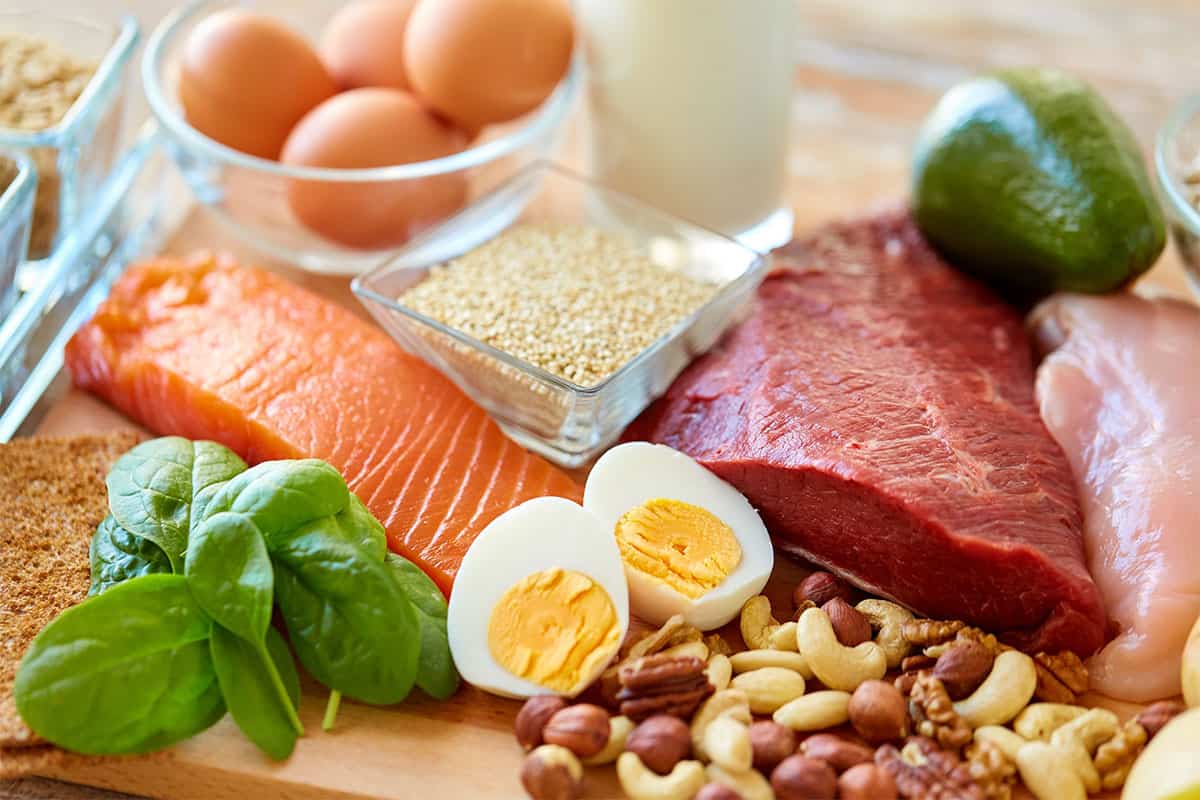
Getting there isn’t always easy with smaller appetites and higher costs, but I’m learning to be more intentional: spacing protein throughout the day; choosing nutritional sources like eggs, dairy, fish, beans and lentils over fast food; and keeping quick options on hand, like yogurt, tuna or boiled eggs. For example, on an average day, I’ll stir cottage cheese into breakfast, add chicken or beans to lunch and end with salmon or a hearty lentil soup.
Keep in mind—it’s still advised that we limit red meat due to its connection with increased risks of heart disease and its higher saturated fat content, which can lead to elevated LDL cholesterol and inflammation. And while protein shakes are a helpful tool, especially if chewing or appetite is a challenge, try to get most of your protein from whole foods when you can.
These simple swaps of quality protein choices keep me on track without feeling like I’m on a diet. I don’t need to eat like a bodybuilder, but I do need to make protein a steady habit. It’s become clear that for older adults, protein isn’t hype—it’s one of the best tools we have to stay resilient, independent and well.
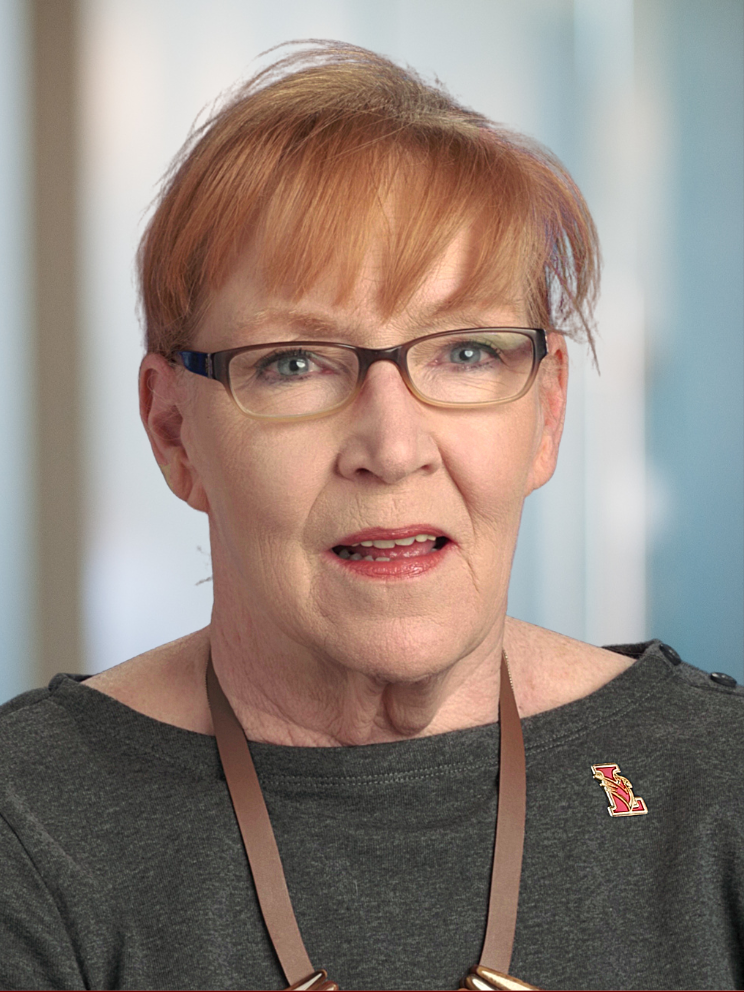
Pepper Evans works as an independent-living consultant, helping older adults age in place. She is the empty-nest mother of two adult daughters and has extensive personal and professional experience as a caregiver. She has worked as a researcher and editor for authors and filmmakers. She also puts her time and resources to use in the nonprofit sector and serves on the Board of Education in Lawrence Township, NJ.