To appeal to all those who are growing older—at every age—we suggest some of the best new books on aging, as well as many classics. You’ll find everything from caregiving advice to memoirs, from humor to reflection, plus narratives by authors who set out, in midlife, in search of wisdom and new ways to think about growing older.
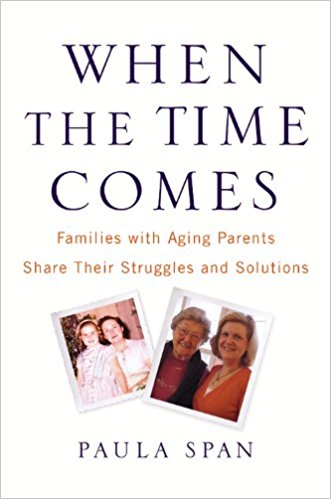 When the Time Comes: Families with Aging Parents Share Their Struggles and Solutions Posted in: Guides to Aging Well, Life’s Endings
When older people develop health problems that make it risky to live alone, families have a number of options. Journalist Paula Span, who writes the “New Old Age” blog for the New York Times, explores five possibilities. She lays out the pros and cons of staying put with help from relatives or aides; moving in with adult children; moving to an assisted living facility; entering a nursing home; and getting hospice care.Span interviews families who chose each option and follows their progress as the older generation adjusts—successfully or not—to new circumstances. She provides thoughtful advice, points out common pitfalls and explains in detail what the different choices cost. Anyone who is, or may become, a caregiver will find a wealth of information and comfort here.
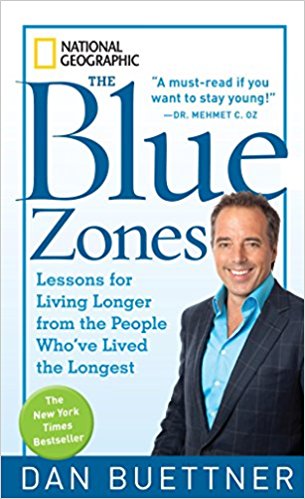 The Blue Zones: Lessons for Living Longer from the People Who’ve Lived the Longest Posted in: Guides to Aging Well, Views from the Oldest among Us
How do some people manage to live so long? Explorer and journalist Dan Buettner looked for answers to this question by identifying blue zones, regions with high concentrations of very old people, and analyzing lifestyles in four of them: a mountainous area of Sardinia; rural villages in Costa Rica; the tiny islands of Okinawa; and Loma Linda, California, home to 9,000 Seventh-day Adventists. Buettner brings these places and people to life, interweaving profiles of the very old and interviews with experts on aging. In the final chapter, he presents nine longevity lessons. Among other things, he recommends eating less meat, incorporating more physical activity into your life (walk, don’t drive) and having a strong sense of purpose. If you follow his suggestions, there’s no guarantee you’ll live to 100, but he argues convincingly that you can add at least 10 healthy years to your life.
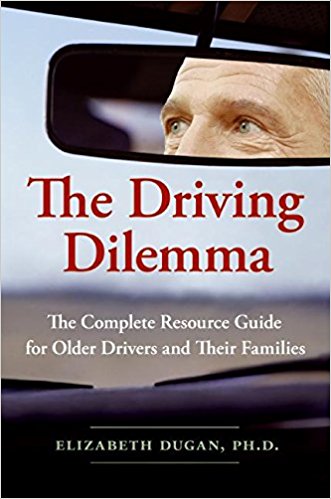 The Driving Dilemma: The Complete Resource Guide for Older Drivers and Their Families Posted in: Guides to Aging Well
Here’s the dilemma: most Americans outlive their ability to drive safely by seven to 10 years. Because driving means independence, older people often resist when their adult children suggest they’re at risk behind the wheel. Elizabeth Dugan, PhD, a researcher on geriatric issues at the University of Massachusetts Medical School, has written a practical and compassionate guide for both generations. She describes warning signs that driving ability is deteriorating, and medical disorders and medications that can create problems. Addressing concerned family members, she explains a counseling technique called motivational interviewing and includes scripts that illustrate how to approach the subject of giving up the car keys in a nonconfrontational way. Useful appendixes offer detailed information on where to find help with the driving dilemma, both from national organizations and in each state.
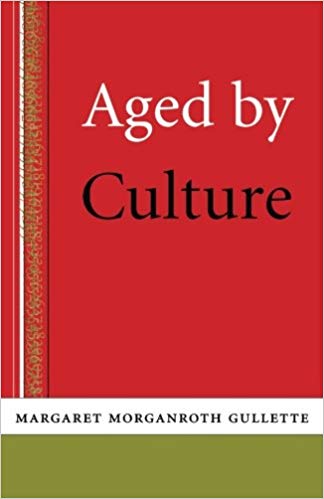 Aged by Culture Posted in: Insights from Bold Thinkers
“We are aged more by culture than by chromosomes,” Margaret Gullette writes in this passionate indictment of the American attitude to aging. Her book spells out the price we pay for living in a culture that’s obsessed with youth and that sees aging as a demeaning process of decline. Gullette focuses most on middle-ageism, noting that we’re encouraged to think of ourselves as old at younger and younger ages. Many Americans buy into such ideas and are barely into midlife when they begin to complain about memory lapses and senior moments. Middle-ageism has eroded workplace seniority systems that reward experience and has cost many people age 40 to 60 their jobs as they were pushed aside to make way for younger employees. Gullette is a resident scholar in the Women’s Studies Research Center at Brandeis University.
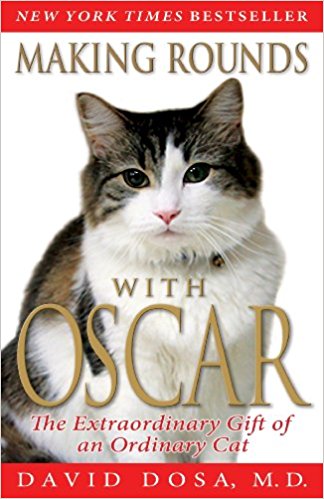 Making the Rounds with Oscar: The Extraordinary Gift of an Ordinary Cat Posted in: Life’s Endings
If you relish a true story that showcases the animal-human connection, you’ll want to meet Oscar, a cat with a unique ability to sense when a person is about to die. Oscar lives in the dementia unit of Steere House nursing home in Providence, RI, where we make the acquaintance of feline-averse David Dosa, MD, and his staff, patients and families. This is more than a cat tale, it is the coming-of-age story of Dosa, a compassionate but skeptical geriatrician who learns to trust this tabby cat, his nurses and his instincts, as he witnesses the comfort and acceptance that come with a visit from Oscar. With uncanny accuracy, Oscar jumps up and steadfastly remains on the beds of patients in their final hours. This is an insightful, warm and illuminating read about end-of-life choices and the unlikely friends who might be there to guide us.
Click here to view short David Dosa video.
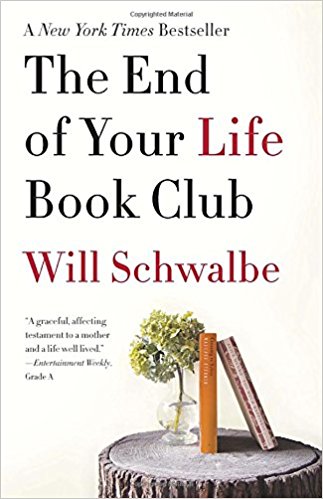 The End of Your Life Book Club Posted in: Life’s Endings, Memoirs
Don’t let the title of this inspirational tale fool you into thinking this is a book about death. There is nothing morbid about this memoir. This is a story of devotion—of a terminally ill woman to her many philanthropic pursuits, a son to his mother, and both mother and son to a shared love of books. Schwalbe is a publisher, a wordsmith and lover of literature. His mother is a fascinating humanitarian; one of her accomplishments was helping to build a library in Afghanistan. They were already close, and the mother-son bond only gets stronger as Mary Anne faces a diagnosis of stage IV pancreatic cancer. In doctors’ offices and at bedsides, together they enjoy the comfort that the printed word gives them, the joy of sharing books that have affected them over the years. This book club offers a double love story, a shared journey and a treasure trove of books to add to your own reading list.
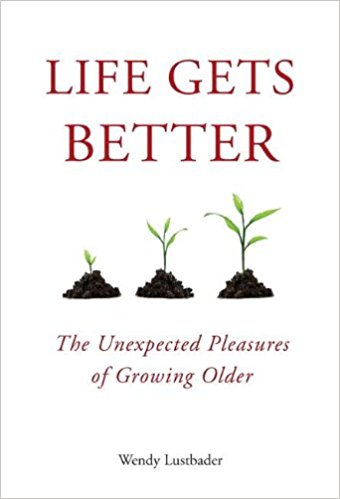 Life Gets Better: The Unexpected Pleasures of Growing Older Posted in: Guides to Aging Well, Insights from Bold Thinkers, Views from the Oldest among Us
Are you afraid to grow old, dreading senior moments and lost independence? Is it folly to expect any pleasure in aging? In this positive book, social worker and geriatrics expert Wendy Lustbader reveals what she’s learned by working with older people: there is indeed plenty to look forward to in our later years.Whether you are looking ahead for yourself or searching for insight on older loved ones, Life Gets Better offers illuminating stories from those in midlife and beyond. The keys to happiness, shares Lustbader, are choosing battles wisely, forgiveness and gratitude. She tells us there is self-satisfaction from surviving life’s trials; the pleasure comes in knowing what really matters. Lustbader doesn’t imply that the best is yet to come. She proposes that the worst may be behind us.
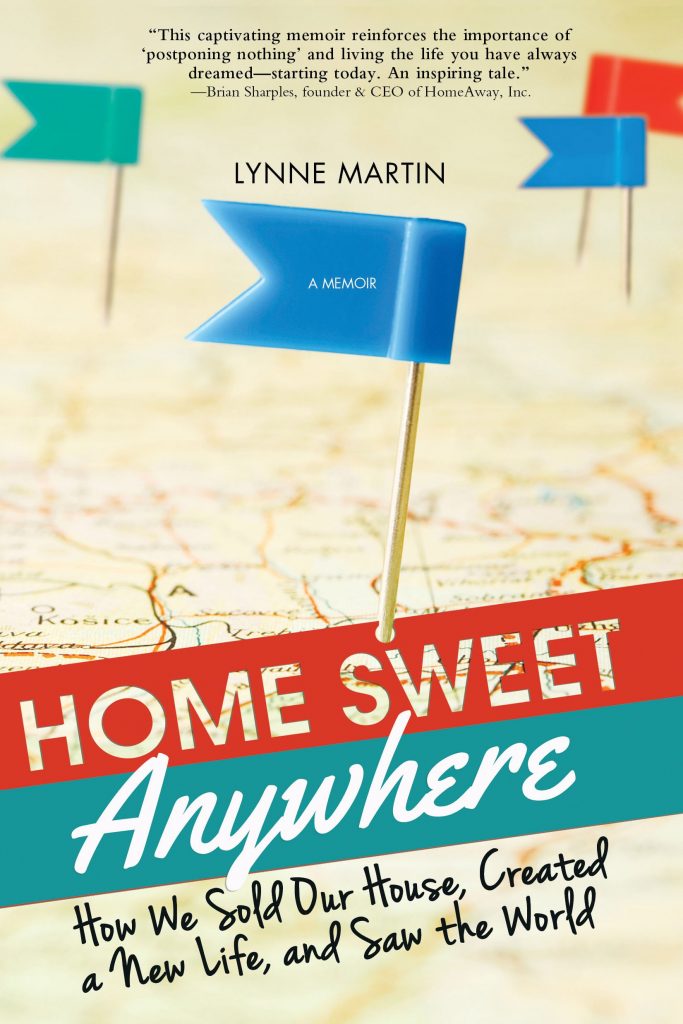 Home Sweet Anywhere: How We Sold Our House, Created a New Life, and Saw the World Posted in: Inspiring Journeys, Memoirs
By Lynne Martin – Sourcebooks, 2014
If the idea of aging in place is too tame for you, you may want to take your retirement on the road—permanently. Lynne and Tim Martin, both in their 60s with grown children from previous marriages, find they have unrealized wanderlust. They empty their home of all they can bear to part with, sell the house and leave the country for one extended stay after another. Lynne is a writer/foodie/wine lover; Tim’s the travel planner. These nomadic retirees are outgoing, flexible and practical—qualities they’ll need along the way, living as locals in rented and borrowed apartments or as house sitters. This memoir is full of travel tips if you’re bold enough to follow the Martins’ lead, and it’s colorful enough to enjoy if you never want to leave your reading chair.
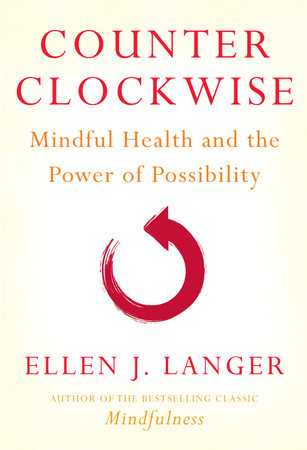 Counterclockwise: Mindful Health and the Power of Possibility Posted in: Guides to Aging Well, Insights from Bold Thinkers
Harvard psychology professor Ellen J. Langer firmly believes that “It is not primarily our physical selves that limit us but rather our mindset…” In Counterclockwise, a book more about theory than practice, she summarizes a multitude of studies, including her own, that demonstrate how our thoughts affect our bodies and that many of our ideas are damaging. Langer is especially interested in mindsets that assume aging is a long descent into illness. We’re victims of self-fulfilling prophecies, she suggests. We expect our eyesight and hearing to falter in later years, and so they do. She also explores the potential in placebos and the fact that sometimes when we’re ill, we get better mostly because we expect to. Overall, Counterclockwise is about the psychology of possibility and the power of thinking positively. Want to explore a new way to look at aging? Check out this book.
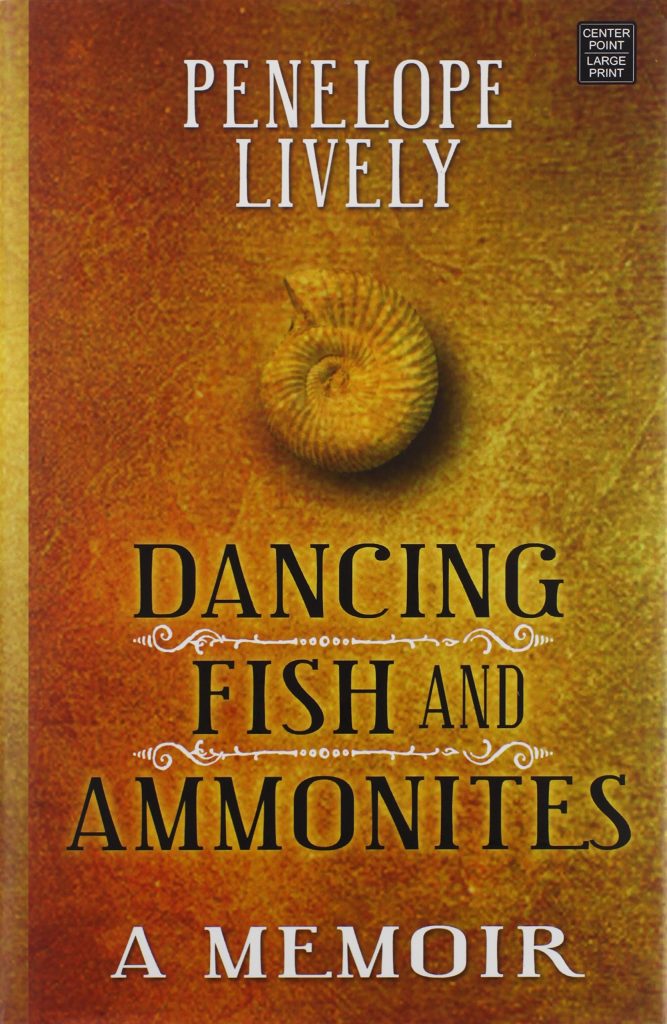 Dancing Fish and Ammonites Posted in: Memoirs, Views from the Oldest among Us
By Penelope Lively – Viking Adult, 2014
“This is not quite a memoir. Rather, it is the view from old age.” Novelist Penelope Lively gives fans a glimpse into what has shaped her, letting us know that at 80, she feels as fresh and alive as she has ever been. She experienced a lonely childhood in Egypt and was sent to boarding school in England when her parents divorced. She ruminates on the decades’ passing and shares what she takes from each, briefly touching on a long marriage and motherhood (more, please), suggesting we are as a rolling stone, picking up depth as we go along. She writes about her work, her memory, her reading. Her books remain her one true vice; she admits they are the only possessions she’ll never give up. The charming and intimate musings from this closely observed life leave readers with the understanding that old age is ever evolving and not to be feared.
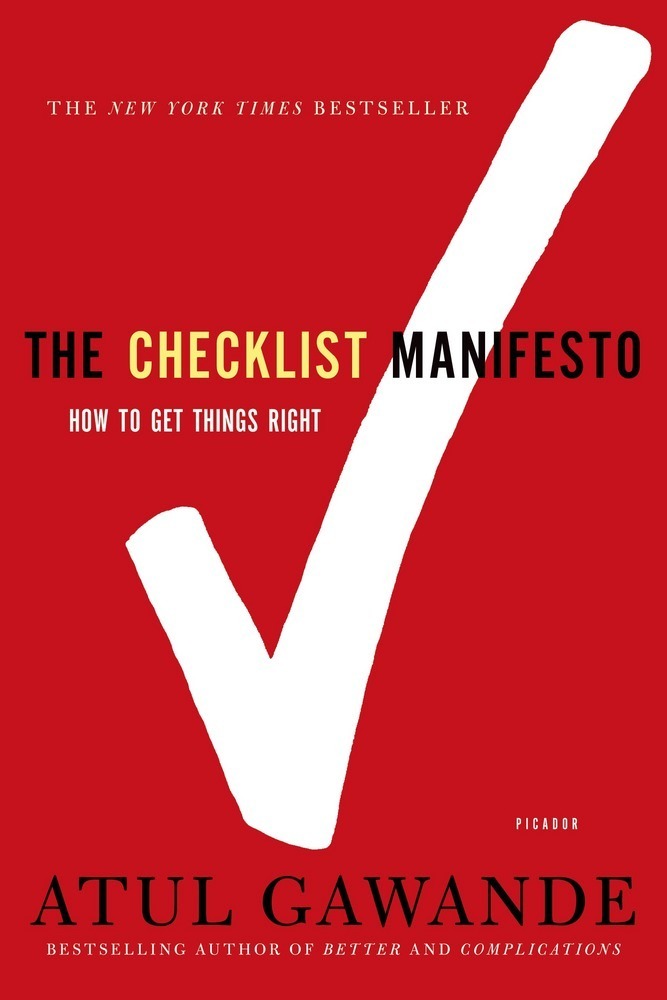 The Checklist Manifesto: How to Get Things Right Posted in: Insights from Bold Thinkers
In this clear-eyed look at an idea that’s both revolutionary and obvious, Atul Gawande—New Yorker writer, surgeon, Harvard professor—examines a technique that was started in the Army Air Corps in 1935 and embraced in recent years by the medical profession: the checklist. Now in use in a variety of hospital settings, from the emergency room to the operating room, “checklists help with memory recall and clearly set out the minimum necessary steps in a process,” Gawande writes. They also, as he ably documents, save lives. Within three months of their introduction into ICUs in Michigan hospitals, for example, infection rates plunged by a staggering 66 percent. Using case histories to illustrate his point, Gawande makes an airtight case for the importance of this inspired, yet simple tool.
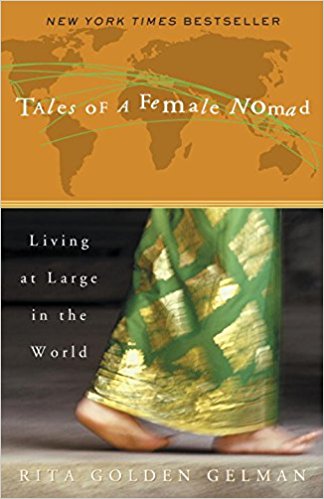 Tales of a Female Nomad: Living at Large in the World Posted in: Inspiring Journeys, Memoirs
When Rita Golden Gelman’s husband asks for a trial separation, she realizes that, at 48, she has no idea where her life is heading. With her children grown (and financial security from her career as a children’s book writer), Gelman decides to travel—not as the Hollywood socialite she had been but as a backpacking nomad. She sells her belongings and hits the road. Fifteen years later, she has not looked back. Her one goal is to interact on a very personal level with the people she meets, whether she spends a few weeks in a Mexican Zapotec village or years with a Balinese royal family, with stops in Nicaragua, Israel, Borneo and New Zealand in between. Along the way, Gelman deals with her mother’s aging, discovers her children need her more than she believed and, yes, gets divorced. Tales is more than a geographical adventure. It’s the story of one woman’s spiritual and emotional journey in midlife to find her place in the world.
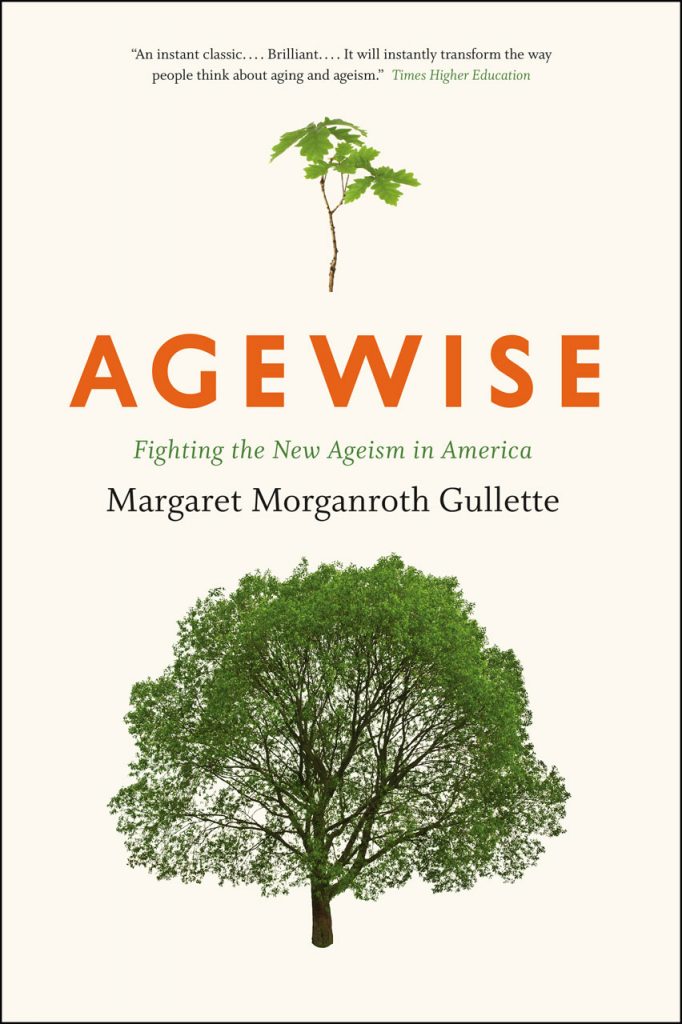 Agewise: Fighting the New Ageism in America Posted in: Insights from Bold Thinkers
Americans fear growing older but what we really should worry about is ageism—how entrenched, negative misconceptions about aging affect us from youth through our oldest years. In Agewise, culture critic and aging studies expert Margaret Morganroth Gullette examines the “ideology of decline” that has seeped into the workplace, our society and our psyches. Through personal stories, politics, literature and medicine, Gullette illustrates an overt contempt for older people and a casual dismissal of their life experiences, which have resulted in discrimination, destructive self-images and an overall sense of doom for those in middle age and beyond.
But all is not lost, Gullette consoles us. She explains how, once we recognize it, we can fight ageism by redirecting how we think about later life from a young age and within our society and our relationships. Agewise is an enlightening read that ultimately promises us that, if we start work now, there’s hope for our future.
 Mister Owita’s Guide to Gardening: How I Learned the Unexpected Joy of a Green Thumb and an Open Heart Posted in: Memoirs
At midlife, Carol Wall feels restless, even invisible at times. Her kids have left the nest, her marriage is solid and her parents are comfortable in a care community. Wall is an established educator who has resolved a health crisis, but she feels something is missing. Inspired by a neighbor’s garden, she hires a grocery clerk moonlighting as a gardener to tackle her botanical wish list. To Kenyan Giles Owita, horticulture is second nature. As he lovingly tends Wall’s “compound,” an unlikely friendship forms. The author thoughtfully acknowledges her lack of cultural understanding and remedies it, and as the garden blooms, so does the pair’s friendship, transforming both of their lives. You’ll want to hire Mr. Owita yourself.
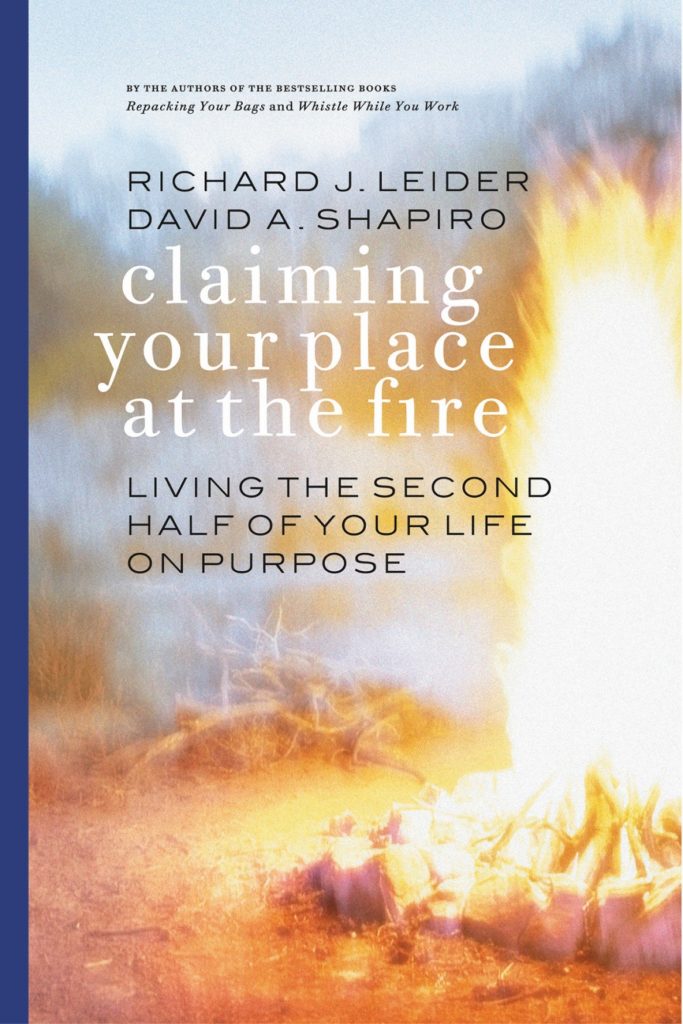 Claiming Your Place at the Fire: Living the Second Half of Your Life on Purpose Posted in: Insights from Bold Thinkers
In Tanzania, when Hadza villagers sit around the fire at night, elders form the inner circle and share their wisdom and experience with the community. Because they see themselves as vital resources, Leider and Shapiro write, they feel that they have earned the respect they get. Western societies offer no comparable role for older people. The authors argue that we need “new elders” who bring a deep sense of purpose to the second half of life and who will step up and claim their seats at the fire. How does one find that purpose? The authors make a number of suggestions in this guide to an inner journey. Leider is a career coach, writer and speaker. Shapiro is a writer, philosopher and educator.
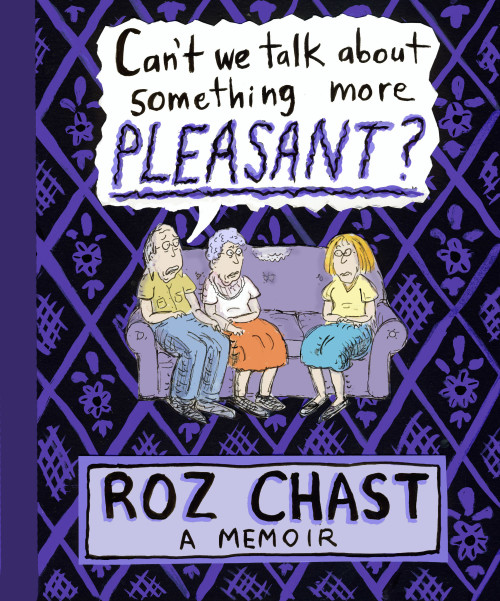 Can’t we talk about something more PLEASANT? Posted in: Memoirs
“It was against my parents’ principles to talk about death,” Roz Chast writes in this graphic memoir. When she suggests planning for the inevitable, they react so negatively that she immediately drops the subject—as relieved as they are to have avoided a difficult conversation. With words, drawings and occasional photographs, Chast, a renowned New Yorker cartoonist, chronicles what happens as her parents’ health slowly fails and they try to muddle through, while she’s forced into a caregiving role. Her tale is sometimes heartbreaking, often funny and always brutally honest as she describes—and depicts—her own conflicted feelings. Her mother’s anger explodes from the page, as does her father’s bewilderment while dementia closes in on him. Better than words, her cartoons capture the raw, emotional truths of a dilemma that will be familiar to many readers. Chast’s memoir is harrowing but lit throughout by flashes of humor and her acute appreciation for the absurd.
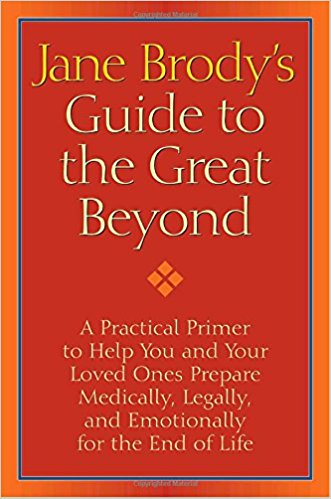 Jane Brody’s Guide to the Great Beyond: A Practical Primer to Help You and Your Loved Ones Prepare Medically, Legally, and Emotionally for the End of Life Posted in: Guides to Aging Well, Insights from Bold Thinkers, Life’s Endings
No matter what your age or health, this book by New York Times columnist Jane Brody is for you. With her frank, thorough approach to a subject we usually avoid, Brody helps us prepare for our own and our loved ones’ deaths. As she points out, planning for the end of life is a gift to your future self—and to your family—because it gives you more control over how you will die, and it spares them the anguish of not knowing what you would have wanted. This book offers practical insight on a wide range of topics: what kind of living will is least likely to be misinterpreted by doctors, how to avoid burnout when caring for someone seriously ill, stages and types of grief, what to say—and not to say—to a dying loved one or a bereaved friend, why some doctors abandon terminally ill patients. It also explores myths about organ donation. Humorous cartoons help lighten a serious topic.
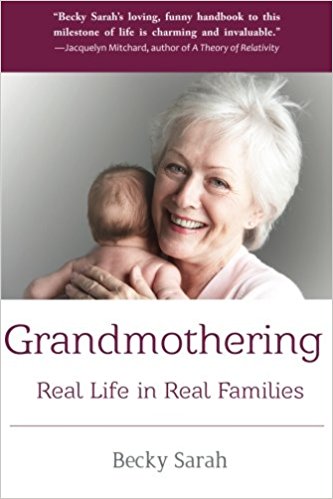 Grandmothering: Real Life in Real Families Posted in: Guides to Aging Well
You’d think that becoming a beloved grandmother would evolve so naturally that a handbook would be unnecessary. Today’s households, however, aren’t all Rockwell-esque, and grandmothers must figure out how to bond with their grandkids in these quickly changing times. With warmth and significant research, Grandmothering covers every possible grandparent situation you could think of—and many you’ve never considered. Grandmothers may want to know how to accept adult children’s lifestyles and parenting choices, navigate cultural and generational issues and keep in touch with media-savvy, long-distance grandkids. The book calls upon real-life situations to teach today’s grandmother how to be emotionally available, to offer the right kind of help and to get her own needs met along the way.
 Counting on Kindness: The Dilemmas of Dependency Posted in: Insights from Bold Thinkers
In this beautifully written book, mental health counselor Wendy Lustbader describes what it’s like to be old and frail (or to be ill at any age) and have to depend on others. If you wonder why your elderly mother seems cranky and ungrateful at times, or why your aging father resists your efforts to help him, you’ll find insights here. For instance, Lustbader points out that caregiving works better if it’s a two-way street—if those who are dependent can feel that they, too, have something to contribute. She describes with great understanding the dilemmas caregivers face.The book is full of moving vignettes drawn from Lustbader’s experience as a counselor. It focuses on the compensations as well as the hardships of the caregiving relationship. An eye-opening read for caregivers and for those who depend on them.
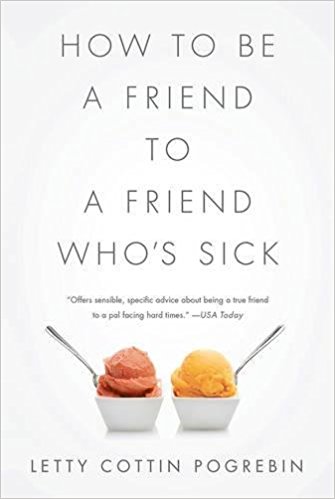 How to Be a Friend to a Friend Who’s Sick Posted in: Guides to Aging Well
Author, activist and cancer survivor Letty Cottin Pogrebin writes a sympathetic and insightful how-to book for people who are lost when it comes to helping a friend who is sick. Pogrebin uses anecdotes from her own recovery plus the experiences of those she polled in doctors’ offices while awaiting treatment. You’ll find simple ideas that can make you a better visitor, listener and friend, like letting the patient take the lead on how much information to share, and knowing how long to stay. She also includes thoughtful ways to support caregivers and those who are grieving. Learning what not to say can be an eye opener. This is a comfort manual that may change how you treat a friend on the mend.